Introduction: More Than Just Movies
There’s something special about a photography movie. It’s not just about watching a story unfold—it’s about feeling the frame, understanding the light, and connecting with moments that feel real, raw, and human.
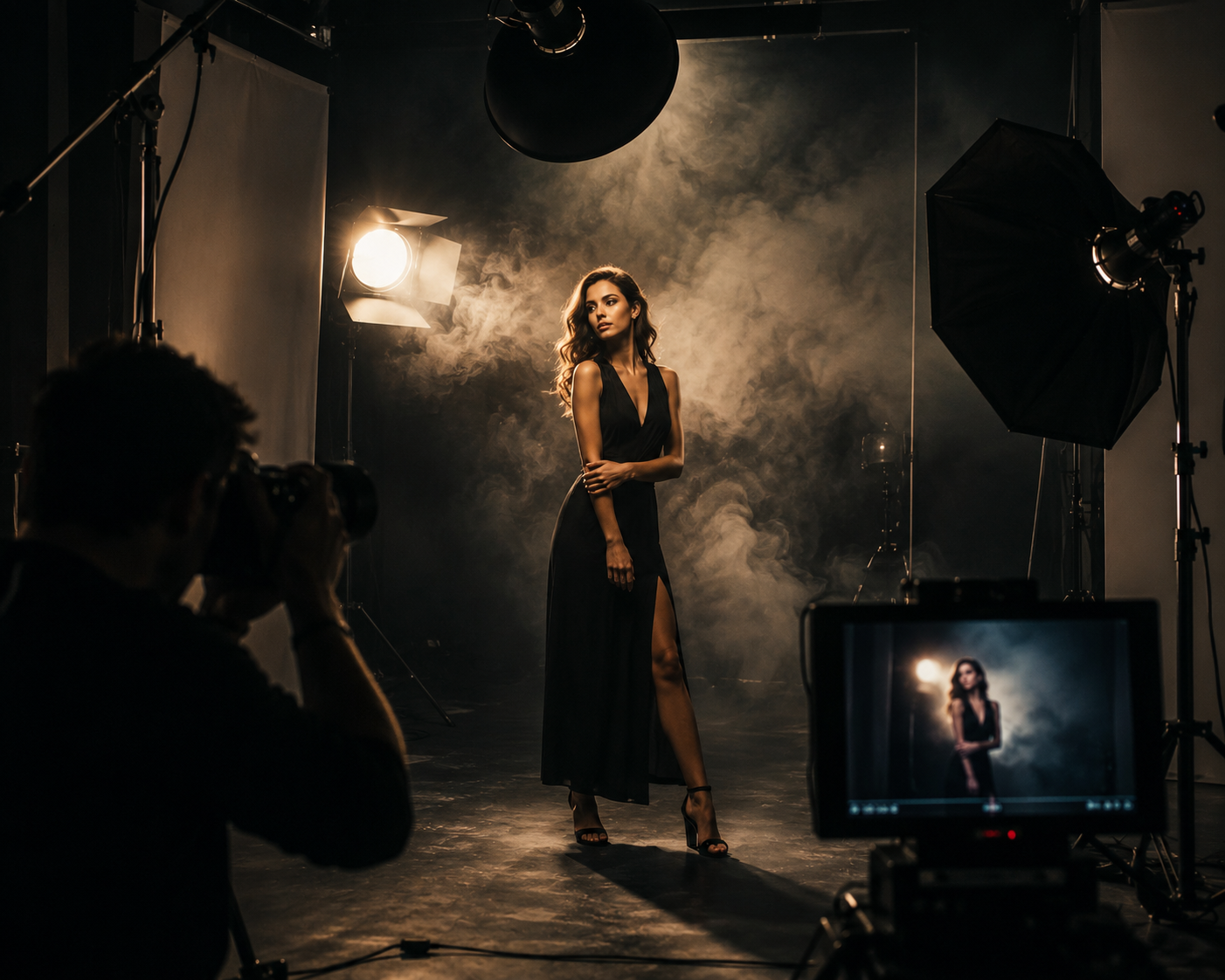
For photography lovers, films are more than entertainment. They are silent teachers. Every scene, every shadow, every composition carries a lesson. If you’ve ever paused a movie just to admire a shot, then you already understand what cinematic photography means.
In this article, we’ll explore photography-focused films, what makes them powerful, and how they can transform your creative vision. This isn’t just a list—it’s a journey into visual storytelling.
What is a Photography Movie?
A photography movie is not always about cameras or photographers. Instead, it’s about how visuals are used to tell a story. These films often focus on:
- Strong composition
- Emotional storytelling
- Unique lighting
- Real-life moments
- Cinematic framing
Some films directly revolve around photographers, while others simply feel like moving photographs.
Why Photography Movies Matter for Creators
Before we jump into specific films, let’s talk about why these movies are important:
1. They Train Your Eye
Watching films improves your ability to notice details—light direction, shadows, depth, and framing.
2. They Build Emotional Understanding
Photography is not just technical—it’s emotional. Films help you understand how to capture feelings in a frame.
3. They Improve Composition Naturally
Without even realizing it, you start framing your shots better after watching visually strong films
Must-Watch Photography Movies
The Secret Life of Walter Mitty (2013)
This film is a favorite among photographers. It follows a quiet man who embarks on a global adventure to find a missing photograph.
What You Learn:
- The beauty of natural light
- Patience in photography
- Storytelling through landscapes
This movie reminds you that sometimes the best shot is worth the journey.
Rear Window (1954)
Directed by Alfred Hitchcock, this classic revolves around a photographer observing life through his window.
What You Learn:
- Framing within frames
- Observational storytelling
- Using limited space creatively
It proves that you don’t need exotic locations to create powerful images.
Blade Runner 2049 (2017)
A modern masterpiece of visual storytelling.
What You Learn:
- Advanced lighting techniques
- Color grading (orange & teal tones)
- Creating mood and depth
Every frame in this film looks like a high-end photograph.
The Grand Budapest Hotel (2014)
Directed by Wes Anderson, this film is known for its perfect symmetry.
What You Learn:
- Balanced composition
- Creative color usage
- Visual consistency
If you want to master framing, this film is your classroom.
City of God (2002)
A raw, energetic film that captures real-life struggles.
What You Learn:
- Street photography techniques
- Capturing real emotions
- Fast-paced storytelling
This film teaches you how to capture life as it happens.
Her (2013)
A deeply emotional film with soft visuals.
What You Learn:
- Minimalism in photography
- Soft lighting techniques
- Emotional storytelling
Sometimes, simplicity creates the strongest impact.
Life of Pi (2012)
A visually stunning blend of reality and imagination.
What You Learn:
- Creative composition
- Reflection photography
- Using colors for storytelling
This film pushes you to think beyond reality.
Into the Wild (2007)
A journey into nature and self-discovery.
What You Learn:
- Landscape photography
- Natural lighting
- Emotional storytelling in nature
It teaches you that nature itself is the best studio.
Key Photography Lessons from Movies
1. Light is Everything
Every great film uses light intentionally. As a photographer, you must learn to see light before you click.
2. Composition Tells the Story
Where you place your subject matters more than what you shoot.
3. Emotion Creates Impact
A technically perfect photo means nothing without emotion.
4. Color Sets the Mood
Warm tones feel nostalgic, cool tones feel distant. Films use this perfectly—you should too.
How to Learn Photography from Movies
Here’s a simple method:
- Pause scenes
- Take screenshots
- Analyze lighting
- Study composition
- Observe colors
Do this regularly, and your photography will improve naturally.
Conclusion: Watch Like a Photographer
The difference between a normal viewer and a photographer is simple: one watches the story, the other studies the frame.
Photography movies are not just films—they are masterclasses in disguise. They teach you patience, creativity, and most importantly, how to see the world differently.
So next time you watch a movie, don’t just enjoy it—learn from it.
Because the best photographers are not just shooters—they are storytellers.
Final Thought
You don’t always need a camera to become a better photographer.
Sometimes, all you need is a screen… and the right film.
Main Call to Action (End of Article)
Transform Your Vision into High-Impact Visuals
If you’re ready to move from inspiration to results, our professional photography services are designed to deliver visuals that build trust, enhance brand value, and drive conversions.
Contact us today to discuss your project.
Service
Real Estate Photography
Present your property with precision, clarity, and cinematic composition that attracts serious buyers.
Book Professional Real Estate Photography.
Amazon Product Photography
Increase your product visibility and conversion rate with high-quality, marketplace-optimized images.
Get Amazon-Ready Product Images.
Hand Modeling Product Photography
Showcase your products in a natural and premium way using professional hand modeling techniques.
Enhance Your Product Presentation.
Lifestyle Product Photography
Create visually engaging content that connects with your audience and strengthens your brand identity.
Start Your Lifestyle Shoot.
White Background Product Photography
Clean, sharp, and compliant images designed for eCommerce platforms and catalogs.
Order White Background Product Photos.
Event Photography
Capture important moments with a professional approach focused on storytelling and detail.
Book Event Coverage.