
Introduction
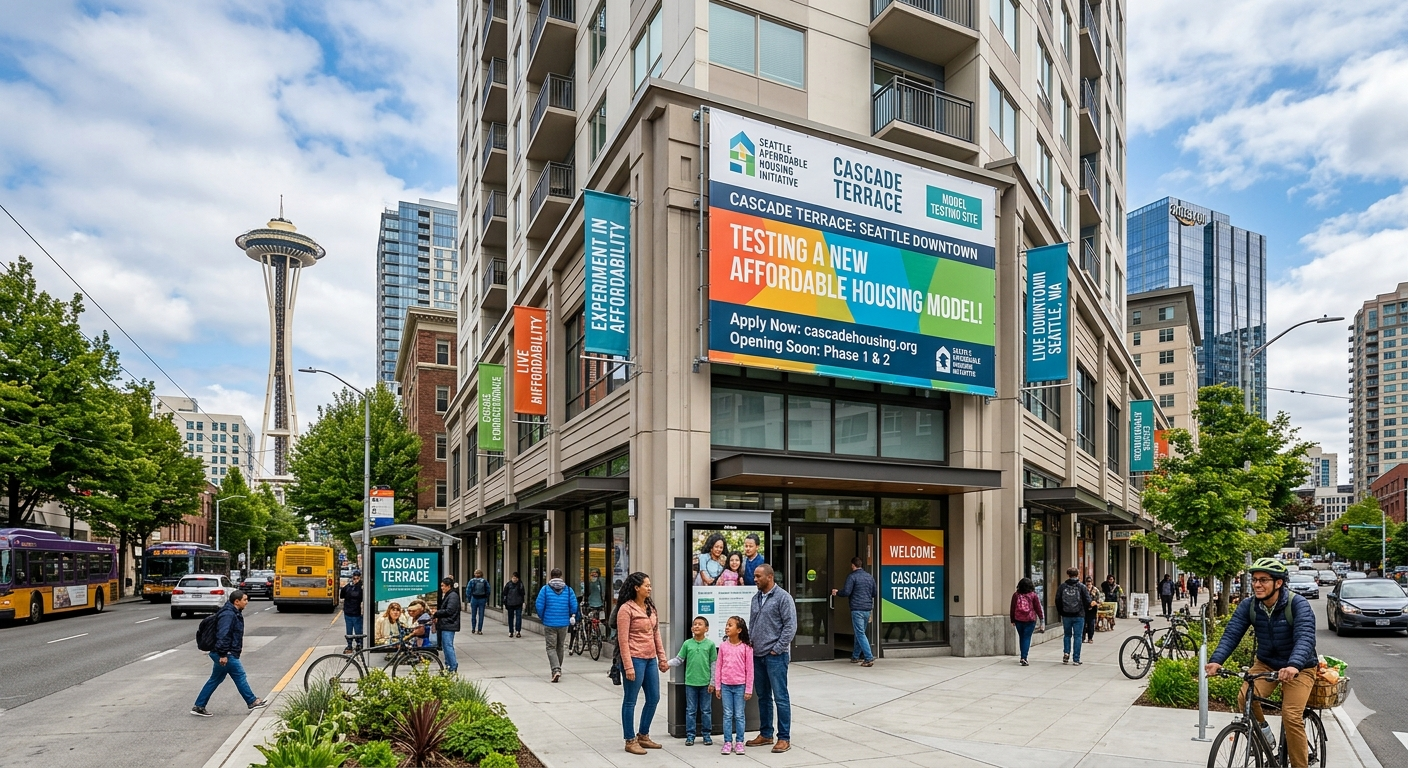
Seattle is continuing its search for solutions to the city’s growing housing affordability crisis, and a downtown apartment building is now testing a new housing model aimed at helping residents manage rising living costs. As rents continue to increase across Seattle, many workers and families are finding it difficult to live close to downtown areas where jobs, transportation, and daily services are easily accessible.
The new project is attracting attention because it introduces a different approach to affordable housing that combines mixed-income living with long-term affordability strategies.
Seattle’s Growing Housing Challenge
Seattle has experienced rapid population growth and major expansion in the technology and business sectors over the past decade. While economic growth has created more employment opportunities, it has also pushed housing prices significantly higher.
Many residents now struggle with:
- Expensive monthly rents
- Limited apartment availability
- Rising property costs
- Longer commuting distances
Downtown Seattle has become especially difficult for middle-income and lower-income residents to afford.
What Makes This Housing Model Different?
Unlike traditional affordable housing projects that separate low-income housing into specific developments, this new model focuses on creating a mixed-income environment where residents from different financial backgrounds can live in the same building.
The system aims to:
- Blend affordable and market-rate units together
- Maintain economic diversity in urban neighborhoods
- Prevent displacement caused by rising rents
- Offer long-term housing stability
Supporters believe this approach creates stronger and more balanced communities.
Focus on Long-Term Affordability
One of the biggest concerns in affordable housing is maintaining lower rents over time. Some affordable projects eventually become more expensive as property values rise.
The Seattle project is reportedly designed to preserve affordability for the long term by:
- Using controlled rent structures
- Partnering with housing organizations
- Exploring public and nonprofit funding support
- Managing costs through sustainable planning
This could help prevent future rent spikes for residents.
Why Downtown Location Matters
Affordable housing near downtown areas is important because it gives residents better access to:
- Employment opportunities
- Public transportation
- Schools and healthcare
- Restaurants and local businesses
When workers are forced to move farther away due to high housing costs, commuting expenses and traffic congestion often increase.
The project aims to keep more residents connected to the city center.
Impact on Seattle Communities
Housing experts believe mixed-income housing may help reduce economic separation within cities.
Potential community benefits include:
- More diverse neighborhoods
- Better social inclusion
- Stronger local economies
- Reduced housing displacement
Essential workers such as teachers, healthcare employees, restaurant staff, and retail workers could benefit from improved housing access.
Challenges Facing Affordable Housing Projects
Although the project has generated interest, challenges still remain.
These include:
- High construction and land costs
- Funding limitations
- Growing housing demand
- Long-term property management
Some critics also question whether projects like this can expand quickly enough to solve Seattle’s broader housing shortage.
Affordable Housing Trends in Major Cities
Seattle’s housing challenges are similar to those faced by many major U.S. cities. Rising rents and limited housing supply are pushing local governments to experiment with new affordability strategies.
Cities are increasingly exploring:
- Mixed-income housing
- Public-private housing partnerships
- Social housing models
- Long-term rent stabilization systems
Seattle’s new downtown project could become an example for other urban areas facing similar problems.
Conclusion
The downtown Seattle apartment project represents another important step in the city’s effort to address housing affordability. By combining mixed-income living with long-term affordability goals, the model attempts to create a more inclusive and sustainable urban housing system.
While challenges remain, the project highlights how cities are increasingly rethinking traditional housing strategies to better serve growing populations and changing economic realities.
FAQs
1. What is Seattle’s new affordable housing model?
It is a mixed-income housing approach that combines affordable and market-rate apartments within the same building.
2. Why is Seattle facing a housing affordability crisis?
Rapid population growth, high demand, and rising property values have increased housing costs significantly.
3. Why is downtown affordable housing important?
It helps residents stay closer to jobs, transportation, and essential city services.
4. Who benefits from mixed-income housing?
Low-income, middle-income, and working-class residents can all benefit from greater housing access.
5. Can this model solve Seattle’s housing problem completely?
It may help improve affordability, but experts believe multiple housing solutions will still be needed.