
Nature Photography Contest Winners 2025 Show Nature at Its Most Beautiful and Vulnerable
The annual Nature Photography Contest has once again captivated audiences with a remarkable display of the natural world’s beauty and fragility. The 2025 competition brought together photographers from across the globe, showcasing images that range from expansive landscapes and intricate wildlife moments to intimate details of flora and macro subjects. The contest celebrates not only artistic excellence but also environmental awareness, reminding viewers of the delicate balance between humans and nature.
The winning photographs highlight both awe-inspiring vistas and critical environmental issues, reflecting the power of photography to tell stories that words often cannot convey. Each image is a window into ecosystems, wildlife, and landscapes that are threatened or underappreciated, serving as both art and advocacy.
Overall Winners
Photograph of the Year:
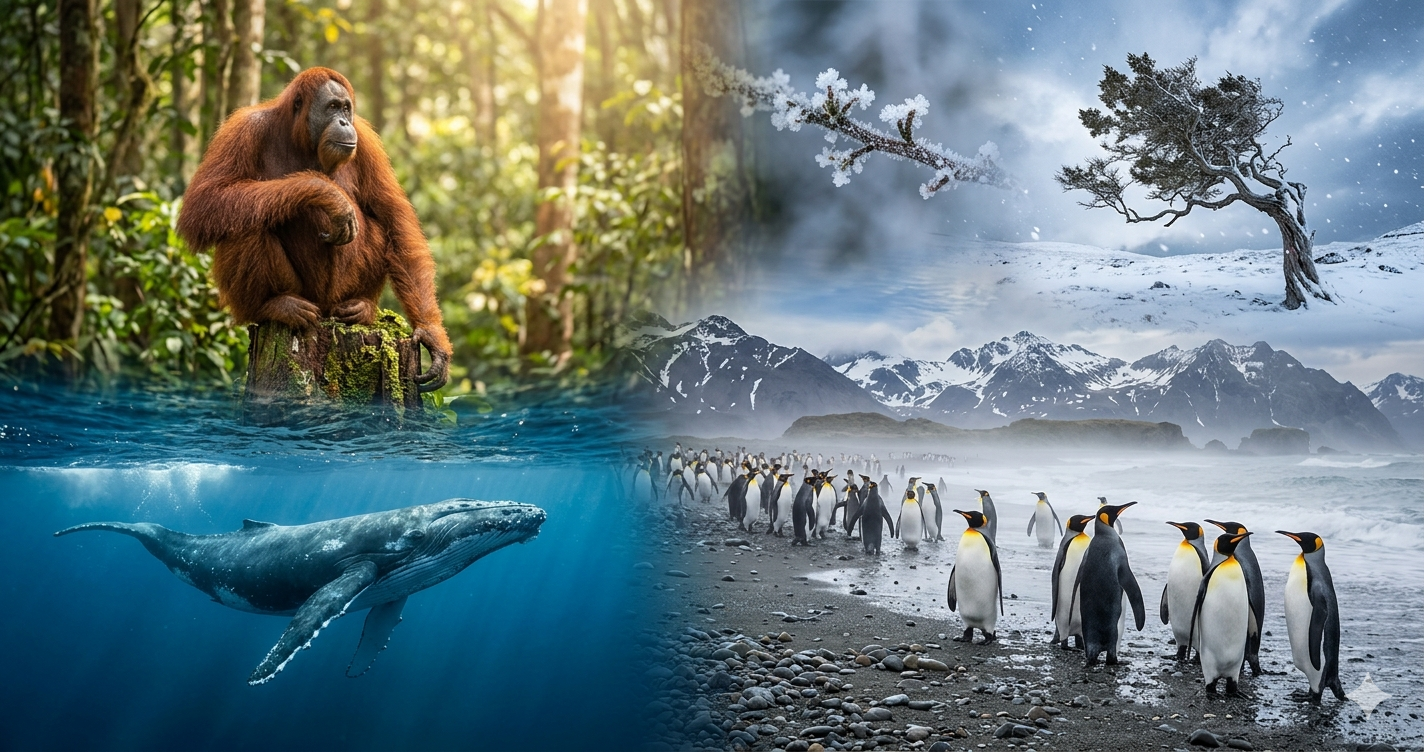
The top award was claimed by Canadian photographer Thomas Vijayan for his striking image titled “Please Spare Our Home.” This photograph captures an orangutan perched on a destroyed forest, holding on to the remnants of tree roots. The image conveys a profound message about deforestation and habitat loss, showing the stark reality faced by wildlife in human-impacted environments. Vijayan’s work is a blend of technical mastery and emotional storytelling, making the photograph both visually compelling and socially significant.
Photographer of the Year:
The title went to Angela J. Sanchez from the United States, recognized for her overall portfolio’s creativity, technical excellence, and diversity. Among her celebrated works is “Mobula Rocket,” a stunning underwater photograph of a mobula ray arcing gracefully through the water. Sanchez demonstrates remarkable skill in capturing movement, light, and texture underwater, highlighting the unseen beauty of marine life. Her images remind viewers of the vibrancy and vulnerability of aquatic ecosystems.
Category Winners
The contest features ten main categories, each representing a unique aspect of the natural world:
1. Natural Landscape:
“The Earth’s Eye” by Pawel Zygmunt presents a dramatic aerial shot of a circular geological formation. Its symmetry resembles an eye gazing upward, symbolizing the Earth watching over its own ecosystems.
2. Wildlife:
“Following” by Janet Gustin captures a brown bear walking along a beach at sunset. A lone seagull is reflected in the wet sand, adding a poetic harmony between predator and environment. The image evokes both serenity and the fleeting nature of wildlife encounters.
3. Macro Photography:
“Sporing Party” by Indranil Basu Mallick focuses on a tiny snail climbing the stem of a mushroom. The use of soft, colorful lighting highlights details often missed by the human eye, showcasing the intricate beauty of small-scale nature.
4. Underwater:
“Whale Dreams” by Remuna Beca depicts a humpback whale gliding beneath sunlit water. The image combines motion, light, and scale to provide a serene yet majestic perspective of marine life.
5. Birds:
“Before the Storm” by James Welch captures king penguins walking across a wet beach. The mirrored reflections in the sand, coupled with an approaching storm, create a sense of anticipation and drama.
6. Plant Life:
“My Jeffrey Pine, Sierra de Baza” by Miguel José Avalos González presents a lone, windswept tree in a snowy landscape. The image is both a study of resilience and an artistic composition highlighting the sculptural qualities of nature.
7. Night World:
“Creation” by Peter Hergesheimer offers a stunning cosmic view of swirling nebulae. This category emphasizes the connection between the microcosm of life on Earth and the grandeur of the universe.
8. Environmental Impact:
“First Gaze” by Wiktoria West portrays a cheetah confined inside a crate, looking out with expressive eyes. The image quietly addresses the consequences of human intervention on wildlife and evokes empathy for endangered species.
9. Sharing the Planet:
“The Honey Keepers of Sundarban” by Muhammad Mostafigur Rahman highlights the coexistence of humans and nature. It features a local worker carefully navigating a forest with bees, symbolizing sustainable interaction with ecosystems.
10. Funny Nature:
“Into the Gape: Dalmatian Pelican at Dawn” by Panagiotis Xaxiris captures a pelican with its large beak wide open. The image brings a light-hearted perspective to wildlife photography, reminding viewers of the humor and personality found in the natural world.
Significance of the Contest
The Nature Photography Contest goes beyond celebrating technical skill. It is a platform for raising awareness about conservation, climate change, and environmental stewardship. The images often serve as visual ambassadors for the species and landscapes they portray, encouraging viewers to consider the impact of human activity on the natural world. By presenting wildlife, landscapes, and environmental issues in a compelling artistic format, the contest inspires both admiration and action.
Through these winning entries, viewers are reminded that nature is both beautiful and vulnerable. The photographs tell stories of resilience and fragility, from tiny snails navigating mushrooms to great whales gliding through oceans and orangutans facing deforestation. Each image is a call to appreciate and protect the planet.
Extended FAQs – Nature Photography Contest
Q1: What is the Nature Photography Contest?
A: It is an international annual photography competition that celebrates the beauty, diversity, and vulnerability of the natural world. The contest is open to photographers worldwide, both professionals and amateurs.
Q2: Who won the top prizes in 2025?
A: Photograph of the Year went to Thomas Vijayan for his orangutan image, and Photographer of the Year was Angela J. Sanchez for her diverse and technically excellent portfolio.
Q3: How many categories are in the contest?
A: Ten categories, including Wildlife, Natural Landscape, Macro Photography, Underwater, Birds, Plant Life, Night World, Environmental Impact, Sharing the Planet, and Funny Nature.
Q4: What makes these photographs important?
A: The images combine artistic excellence with messages about conservation, climate change, and human impact on wildlife. They serve as both inspiration and advocacy tools.