
aGuardia Crash and What It Reveals About Air Travel
A deadly crash at LaGuardia Airport in New York has sparked intense national discussion about the current state of air travel in the United States—particularly safety systems, infrastructure, and how prepared the aviation network is for growing demand.
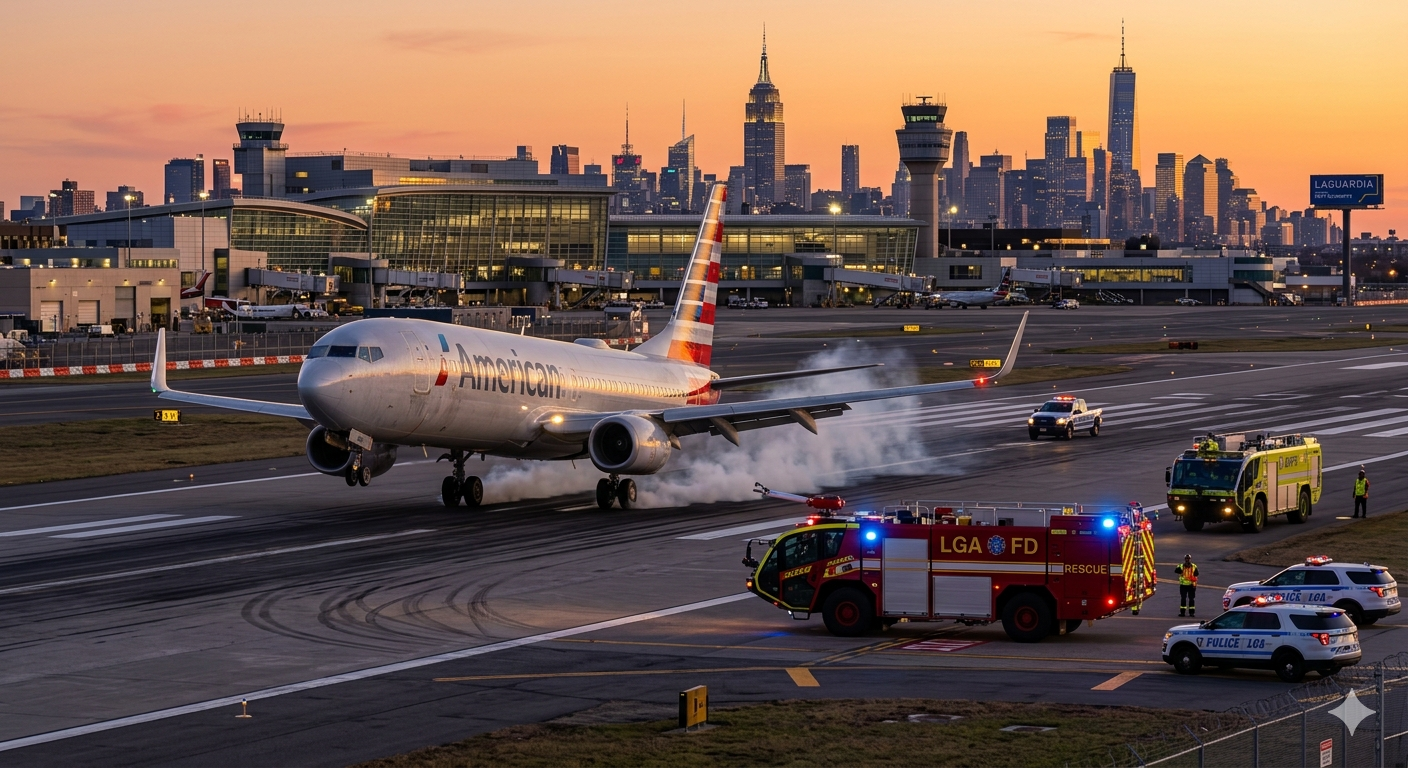
In late March 2026, a regional airliner landing at LaGuardia collided with a fire rescue vehicle that had entered the runway. Both pilots were killed and many passengers were injured. The collision underscored not just the human toll of such accidents, but also serious questions about systems designed to protect aircraft and people.
A Cascade of Failures, Not Just One Mistake
Investigators have indicated that the LaGuardia crash was not the result of a single error, but a cascade of factors that allowed the incident to occur. The rescue vehicle did not have the technology that would alert air traffic control and pilots to its presence on the runway. At the same time, communication between ground crews and tower controllers may have broken down in critical moments.
Aviation experts emphasize that modern runway safety relies on multiple layers of technology and communication. When one of those layers fails—such as missing transponder equipment or unclear radio communication—the risk of disaster increases dramatically.
Strained Infrastructure and Growing Demand
The crash at LaGuardia has focused attention on how much air travel in the United States has stretched existing infrastructure.
LaGuardia is one of the busiest airports in the country. Designed decades ago, it now serves hundreds of thousands of flights a year with limited runway space and aging support systems. Pilots and airfield personnel have privately raised concerns about runway congestion and outdated technology long before this accident occurred.
Many argue that the problem isn’t a lack of skilled workers, but rather that air travel has outpaced the investments made in staffing, technology, and airport facilities. Airports like LaGuardia handle enormous traffic with equipment and runway capacity that may not match modern demands.
A Public Feeling of Vulnerability
In the aftermath of the crash, many travelers have expressed anxiety about flying. For some passengers, waiting in long security lines and hearing about staffing pressures at airports has compounded fear about safety. The idea that critical personnel shortages could affect airport operations has unsettled even experienced flyers.
Whether or not staffing challenges directly contributed to the LaGuardia collision, the incident has amplified public concern about broader systemic weaknesses.
Looking Beyond a Single Crash
Aviation officials stress that flying remains one of the safest forms of travel. Statistically, air travel accidents are rare. Yet crashes that occur amid busy schedules and complex logistics are reminders that even small vulnerabilities can have serious consequences.
The crash has led experts to call for a comprehensive look at how the aviation system functions at every level:
• Upgrading Technology
From runway collision avoidance systems to communication equipment, airports may need more modern tools to improve situational awareness for both pilots and ground crews.
• Investing in Staffing and Training
Air traffic controllers and airport personnel work under intense pressure. With more investment, they can get better support, training, and backup systems to handle peak travel periods.
• Rebuilding Aging Infrastructure
Airports built in earlier decades must adapt to today’s higher volumes of passengers and flights—a move that may require new construction and expanded runways.
• Strengthening Emergency Preparedness
In the moments after an incident, the quick reaction by first responders is critical. Ensuring that all emergency crews have the right equipment and protocols can save lives when disaster strikes.
Stories of Chaos and Courage
Beyond policy discussions, many passengers have shared stories of what happened during the crash. Eyewitnesses described the sudden impact, the jolt of the aircraft, and the panic in the cabin. Amid the fear, there were also stories of courage—passengers helping one another, crew members assisting injured travelers, and ordinary people stepping up.
These firsthand accounts not only humanize the statistics but also remind us why aviation safety matters so deeply to everyday lives.
What Safety Officials Are Saying
Authorities investigating the crash repeatedly emphasize that the aviation system is fundamentally safe. The United States has one of the most regulated and monitored aviation environments in the world.
But they also stress that every incident, no matter how rare, demands investigation and improvement. Detailed reviews of communication logs, controller actions, and equipment performance are expected to continue for months. The goal is always not only to understand what happened, but how to prevent it from happening again.
The Bigger Picture: What Changes May Come
The LaGuardia tragedy has opened a broader debate about the future of air travel in the U.S.:
1. Modernizing Safety Systems
New technology could help prevent runway intrusions in ways that current systems do not. Airports may invest in advanced radar, collision avoidance software, and mandatory devices for ground vehicles.
2. Rethinking Staffing and Workloads
Officials may revisit staffing levels for air traffic control and emergency response teams, especially during peak travel seasons.
3. Planning for Future Demand
With more travelers each year, major hubs may need expanded runways and terminals to accommodate increased flight schedules without compromising safety.
4. Investing in National Transportation Infrastructure
Experts say that the LaGuardia crash highlights the need for long-term federal investment in airport infrastructure nationwide, not just at Manhattan area airports but at every major hub.
FAQs
1. What caused the LaGuardia crash?
Investigators indicate that a combination of miscommunication, missing technology on the ground vehicle, and system vulnerabilities contributed to the accident—not just a single error.
2. Is flying still safe?
Yes. Air travel remains statistically one of the safest ways to travel. Rare incidents like this lead to investigations that aim to improve overall safety.
3. Could better technology have prevented this crash?
Experts believe that modern collision‑avoidance and vehicle tracking systems might have reduced the risk, highlighting the need for upgraded runway technology.
4. Are staffing issues a factor in aviation safety?
While it’s not clear they directly caused this crash, staffing pressures and heavy workloads for air traffic controllers and airport personnel contribute to stress across the system.
5. What changes might come after this incident?
Authorities are likely to consider more advanced safety tech, increased staffing, infrastructure expansion, and better emergency coordination to prevent future accidents.
6. Was this crash a sign of systemic failure?
Not exactly. It was a serious incident that revealed weaknesses in parts of the aviation system, but officials stress that it should be used as a learning opportunity to strengthen safety protocols.