
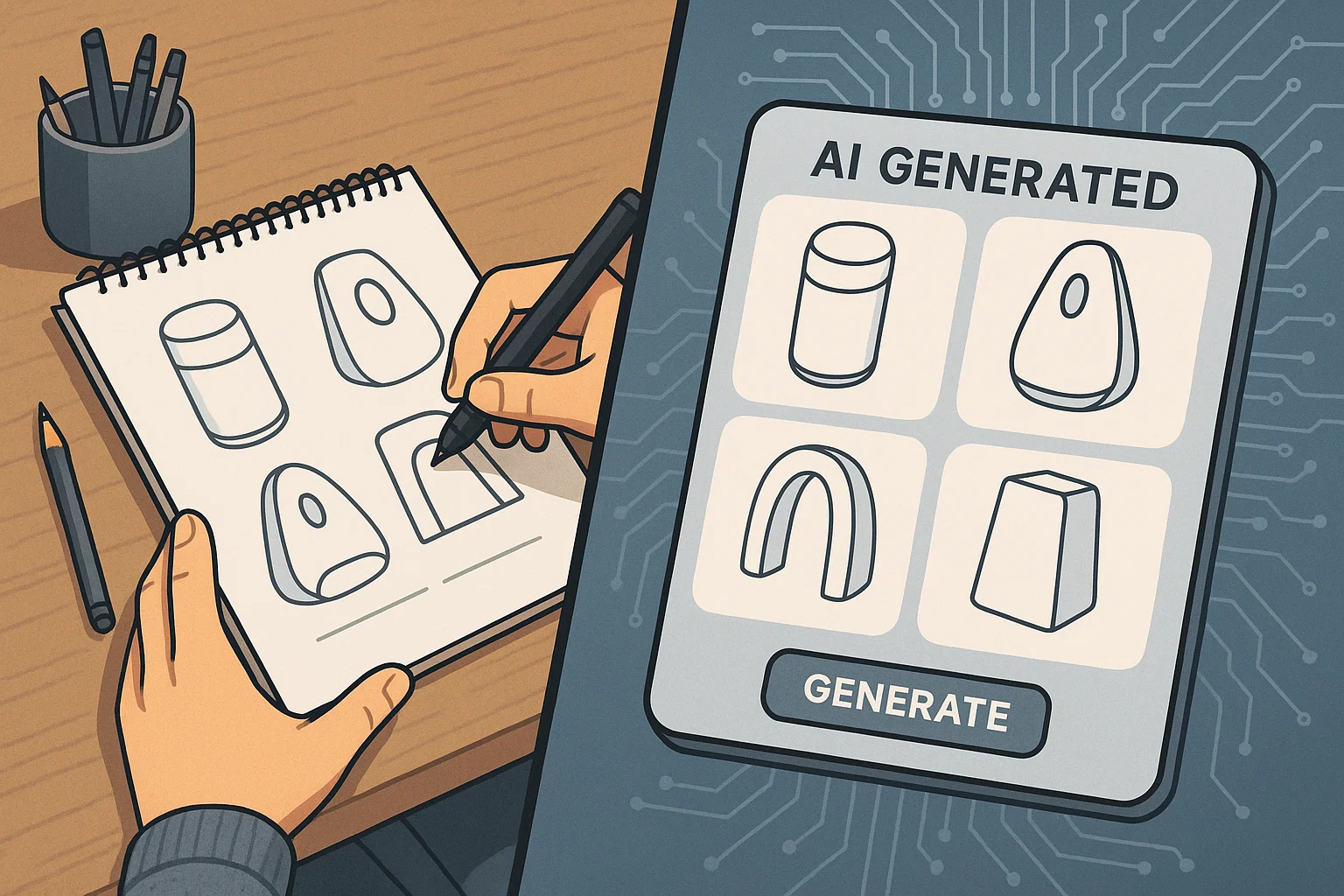
AI vs Human Creativity: Figma CEO Says Designers Are Irreplaceable
In a world obsessed with automation, AI has entered the creative arena faster than anyone imagined. From generating logos and product mockups to writing full branding guidelines, artificial intelligence seems unstoppable.
But can algorithms really replace the creative spark that defines human design?
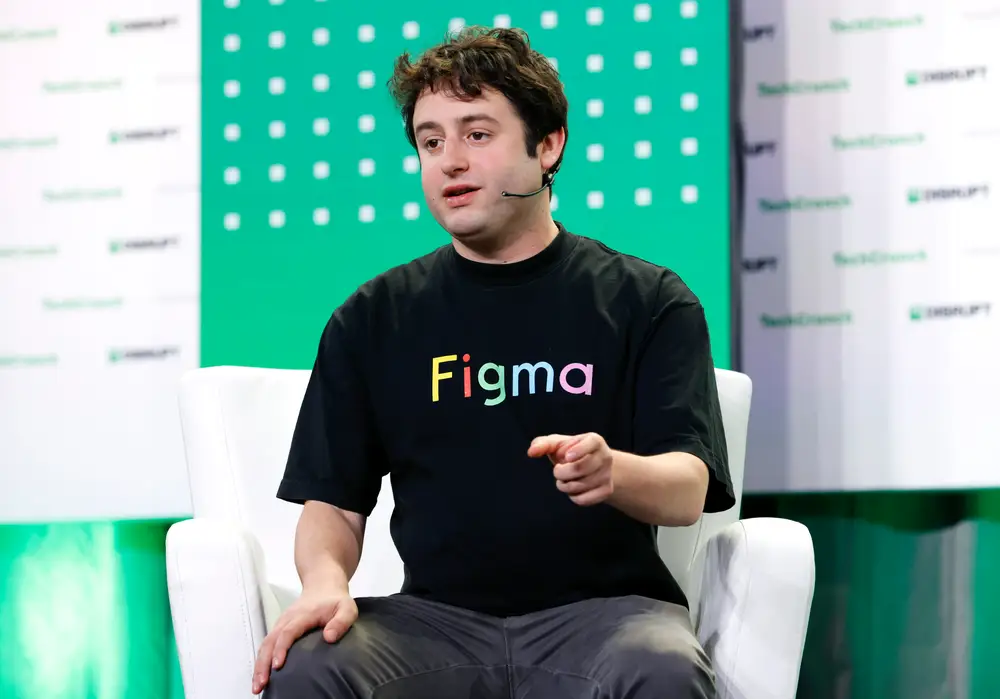
According to Figma CEO Dylan Field, the answer is a confident no. In his recent interview with Business Insider, Field made it clear:
“AI is not here to replace designers—it’s here to empower them.”
This statement has reignited a global debate — is AI a creative partner or a creative threat?
The Rise of AI in the Design Industry
AI-powered design tools like Midjourney, Adobe Firefly, Canva Magic Studio, and Figma AI have made creating visuals faster and more accessible than ever. Designers can now generate dozens of design concepts in seconds, automate repetitive tasks, and experiment freely without limitations.
Platforms such as Uizard, Khroma, and Runway ML have also made creative production easier for non-designers, sparking both innovation and anxiety within the design community.
But while these tools are transforming workflows, they still lack the emotional depth, intuition, and storytelling that define great design.
Figma CEO’s Stand: “AI Should Assist, Not Replace”
Dylan Field believes AI should be a co-pilot, not the pilot.
He explained that the goal of AI inside Figma is to remove creative barriers, allowing designers to focus on the work that truly matters — idea generation, storytelling, and emotional connection.
“Design isn’t just about producing visuals; it’s about understanding people,” Field said.
This philosophy reflects a broader truth: AI can replicate patterns, but not purpose.
Human Creativity: The Irreplaceable Edge
Even the smartest algorithms depend on human-trained data. They analyze trends and styles that humans have already created.
That means AI can remix creativity—but not originate it.
A designer brings:
- Empathy — understanding audience emotion.
- Cultural context — designing for humans, not machines.
- Storytelling — connecting visuals to brand identity.
- Ethical decision-making — knowing what should not be automated.
- Purpose-driven creation — design with impact, not just output.
As one Nielsen Norman Group study notes, “AI can suggest, but only humans can decide.”
How AI Enhances Designers (Not Replaces Them)
AI in design isn’t an enemy—it’s a productivity multiplier. Here’s how:
- Idea Generation: Instantly brainstorm layout variations or color palettes.
- Automation: Eliminate repetitive resizing, exporting, or alignment tasks.
- Speed: Reduce concept-to-prototype time from days to minutes.
- Inspiration: Explore new directions through AI prompts.
- Accessibility: Enable small businesses and freelancers to compete globally.
- Data Insight: Use AI to analyze audience engagement and feedback faster.
When humans and AI collaborate, creativity doesn’t shrink—it scales.
The Real Future: Human + AI Collaboration
The design future isn’t man versus machine—it’s man with machine.
AI will become an invisible design partner, handling the technical side while humans stay in charge of meaning and innovation.
As brands race toward personalization and storytelling, authentic design thinking will matter more than ever.
The designers who thrive will be those who embrace AI without losing originality.
Expert Insight
A recent Adobe Creative Report (2025) revealed:
- 78% of designers use AI tools weekly.
- 64% believe AI boosts creativity, not replaces it.
- 89% say emotional intelligence still defines design success.
These numbers confirm what Field believes — AI is a canvas, not a creator.
FAQs
Q1: Will AI replace designers in the next decade?
➡ No. AI will automate tasks, but designers will remain essential for strategy, storytelling, and emotional design.
Q2: What is Figma’s role in AI design?
➡ Figma integrates AI for smart suggestions, auto-layouts, and faster workflows, without replacing human input.
Q3: Can AI design without bias?
➡ Not yet. AI reflects human data and biases—another reason human oversight remains critical.
Q4: How should designers prepare for the AI era?
➡ Learn to collaborate with AI tools, enhance conceptual thinking, and focus on creative strategy.
Conclusion
AI has revolutionized creativity—but it hasn’t replaced it.
As Dylan Field rightly said, “AI is the assistant, not the artist.”
Designers remain the heart of innovation — using empathy, imagination, and insight to turn ideas into visual stories. The most powerful future isn’t AI alone or human alone — it’s AI + Human together, building smarter, more meaningful design experiences.
Call-to-Action
Want to stay ahead of AI trends reshaping the creative world?
Follow TheFocusCraft.com for weekly deep dives on design innovation, creative tools, and tech-powered storytelling.