
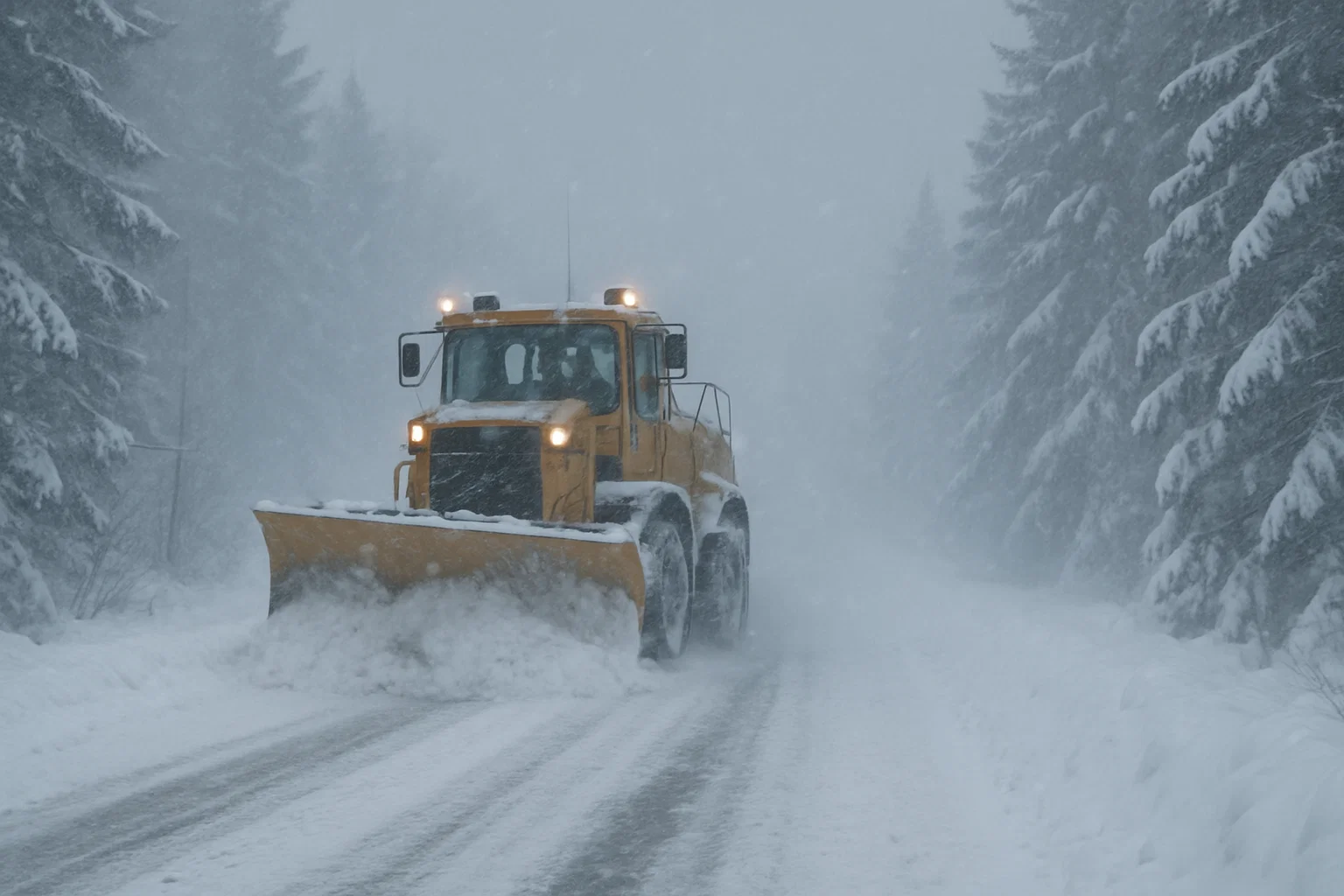
Winter Storm Warning Today: What You Need to Know
As winter tightens its grip, a sweeping winter storm warning is in effect across many U.S. states, raising concerns over heavy snow storm warning today, dangerous travel, and potential disruptions to daily life. For people wondering “what does this mean for me?” — here’s a complete breakdown of today’s winter weather update, explaining why these warnings matter and how they differ from other winter alerts.
Winter Weather Advisory vs Warning: What’s the Difference?
One of the most common points of confusion is the difference between a winter weather advisory vs warning. These two alerts sound similar but reflect very different levels of risk.
- A winter weather advisory is issued when winter conditions (snow, freezing rain, sleet, or a mix) are expected to cause inconvenience but are not severe enough to be life-threatening.
- A winter storm warning, on the other hand, means hazardous winter weather is occurring or imminent. Warnings are reserved for conditions that pose a real threat to life, travel, and property.
In simple terms: advisories ask you to be careful, but warnings demand that you take action.
Why Is There a Winter Storm Warning Today?
According to recent meteorological reports, as many as 24 states are under winter weather warnings for up to two feet of snow, as a powerful winter system sweeps across large swaths of the country. The storm carries the potential for heavy snow, sleet, freezing rain, and strong winds — all of which combine to create a serious hazard.
These conditions are exactly what triggers a winter storm warning. National Weather Service National guidelines say a warning is warranted when the expected snow/sleet or ice will exceed local “warning criteria.”
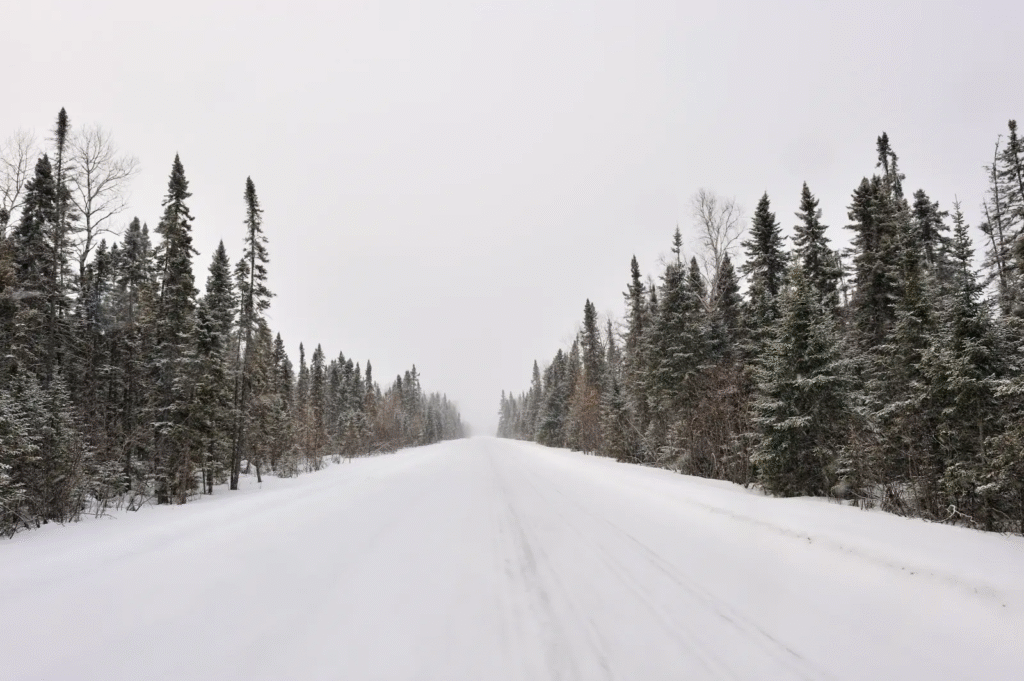
Understanding Winter Storm Warning Criteria
So, what are the winter storm warning criteria? These vary depending on where you live, because what counts as a “big snow event” in one region might be more ordinary in another. The Weather Channel But broadly, common benchmarks include:
- Snowfall accumulating to 5-7+ inches (or more), depending on region.
- Ice accumulations: for example, ¼” or more of freezing rain in some zones.
- Sleet (ice pellets) accumulation reaching ½″ in certain warning areas.
- The threat becomes more serious when these hazards combine with blowing snow or strong winds.
Local National Weather Service (NWS) offices tailor their criteria — so what triggers a warning in the Midwest might not be the same in the South.
What Is a Blizzard Warning?
Beyond winter storm warnings, there’s also the blizzard warning — a more severe type of winter alert. It’s not just about heavy snow, but how that snow behaves. According to meteorological definitions:
- Sustained wind or frequent gusts of 35 mph or more; and
- Falling and/or blowing snow that reduces visibility to ¼ mile or less; and
- These conditions must last for at least 3 hours.
In short, a blizzard warning signals a life-threatening event, where whiteout conditions and powerful wind make travel extremely dangerous.
Following the Winter Storm Warning Map
Many people use a winter storm warning map to figure out who’s under alert and where the danger is greatest. These maps typically show:
- Areas marked with warning zones
- Color-coded regions depending on whether it’s a winter storm warning, advisory, or blizzard warning
- Predicted snowfall ranges or ice accumulations tailored to local criteria
Checking your local forecast office or accessing the NWS site is the best way to see real-time warning maps and get clear guidance for your ZIP code.
Winter Weather Advisory Today: Is It Just Snow?
Yes — winter weather advisory today means a milder, but still impactful, winter scenario. These advisories cover a mix of winter hazards like light to moderate snow, freezing drizzle, or sleet — but importantly, they fall below the threshold for a warning.
People under advisory should still take precautions: slow driving, allow extra time, and avoid unnecessary travel if conditions worsen.
How to Know If a Winter Weather Advisory Is Near You
Wondering “winter weather advisory near me”? Here’s how to check:
- Visit the National Weather Service website for your county or region.
- Look at their winter alert page — it will clearly label advisories, warnings, and any blizzard threats.
- Use weather apps (some let you set alert preferences) — so you get notified if conditions change or an advisory is upgraded to a warning.
Knowing these local alerts helps you stay safer and more prepared.
Why People Use the Term “Snow Storm Warning” Too
Often, people say snow storm warning instead of “winter storm warning.” While not technically distinct in National Weather Service terms, “snow storm warning” commonly reflects the same threat: heavy snow, blowing snow, and possibly ice — the conditions that make a winter storm warning very real.
Why This Warning Matters Right Now
- Dangerous driving conditions: Heavy snow + wind = low visibility, slippery roads, and drifting snow.
- Potential power outages: Ice or heavy wet snow can damage power lines and trees.
- Health risks: Cold, wind, and icy surfaces can lead to hypothermia, frostbite, or accidents.
- Disruption to daily routines: Schools, transport, and local services may shut down or slow.
Preparing Wisely During a Winter Storm Warning
If you’re in an area under a winter storm warning, here’s what to do:
- Limit travel: Try to stay off the roads if possible — especially during peak storm hours.
- Stay informed: Keep tabs on forecast updates, maps, and any changes in alert levels.
- Prepare your home: Have a winter kit (water, food, warm clothes, flashlight, batteries).
- Watch for secondary hazards: Things like power outages or ice accumulation often accompany these storms.
- Help others: Check on neighbors, especially elderly or vulnerable people, before conditions worsen.
Final Thoughts: Why These Alerts Are Not Just Warnings — They Save Lives
Winter weather alerts like winter storm warning, blizzard warning, and winter weather advisory are not just technical jargon. They reflect real risks — and knowing the difference can make the difference between staying safe or getting caught off guard.
With winter storm warning criteria clearly defined, communities know when conditions are truly hazardous. Maps and real-time alerts help you respond before the storm hits. And if a blizzard warning is issued, it’s a signal to take serious action — because that kind of storm can cripple visibility and create life-threatening conditions.
As winter rages on, staying alert, prepared, and informed keeps you and your loved ones safer. If you see a winter storm warning today or snow storm warning, treat it seriously — it’s not just snow, it’s a real risk.
Stay Ahead of Every Winter Storm — Join TheFocusCraft Today!
When the weather gets unpredictable, your safety depends on staying informed. Whether it’s a winter storm warning today, a sudden blizzard alert, or fast-changing snow storm updates, TheFocusCraft brings every critical weather insight straight to you in real time.
Get trusted weather alerts.
Receive instant updates before a storm hits.
Stay informed about travel disruptions and safety guidelines.
Don’t wait for the next warning. Stay prepared — stay aware.
👉 Subscribe to TheFocusCraft now and receive real-time storm alerts directly in your inbox.
👉 Need help or want more updates? Contact us anytime — we’re here to keep you informed.