Time Off Editing Enhances Real Estate Photo Editing Practices to Support Accurate Visual Communication in Property Marketing
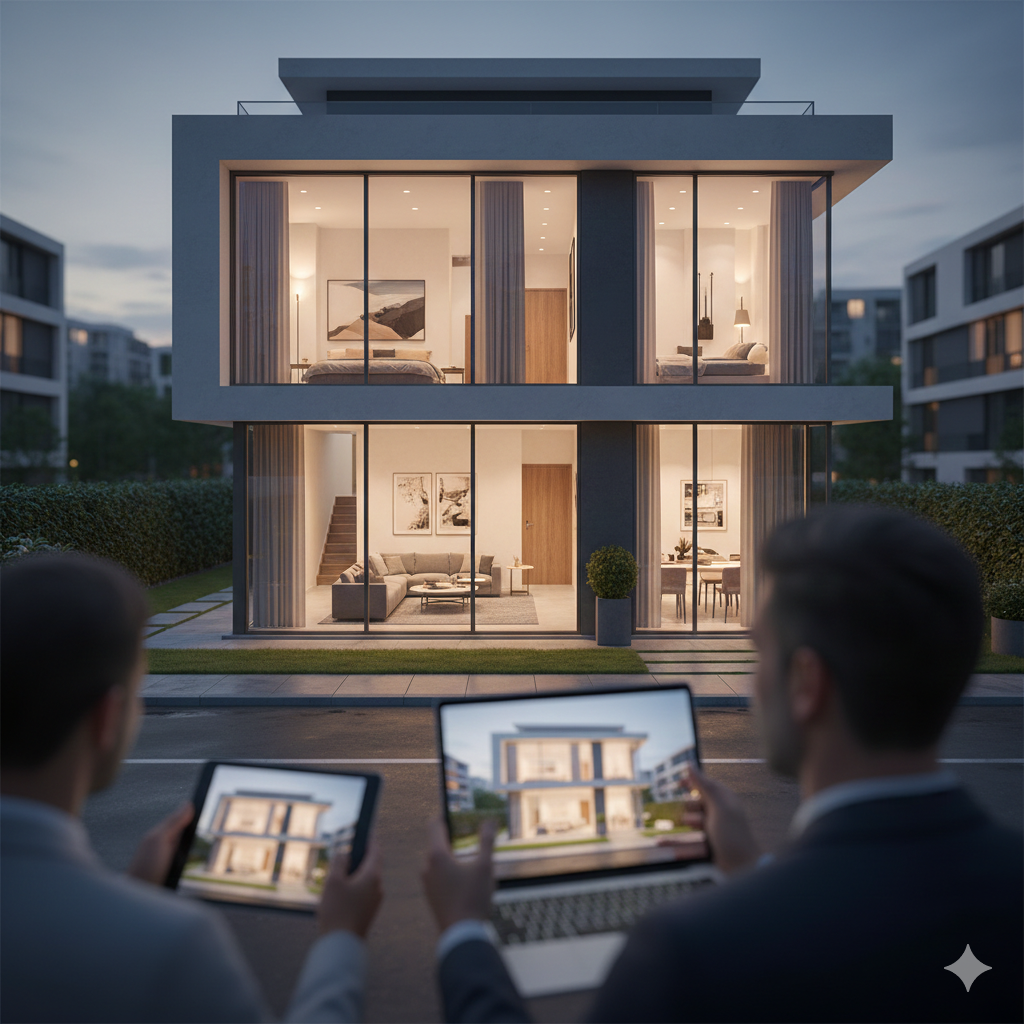
In response to ongoing changes in the real estate market, Time Off Editing has announced enhanced real estate photo editing practices designed to improve the accuracy and clarity of property imagery used in digital listings and marketing campaigns. This update reflects a broader industry trend in which high‑quality visual content plays an increasingly decisive role in how prospective buyers, renters, and investors perceive properties before they ever visit them in person.
The company’s refined workflows focus on technical precision, visual consistency, and ethical representation, supporting real estate professionals, photographers, and agencies with improved tools and processes to present properties more effectively and transparently.
Why Real Estate Photo Editing Matters Now More Than Ever
With online property listings serving as the primary contact point between properties and potential viewers, the quality of listing photos significantly influences engagement, inquiries, and decisions. Poor exposure, color imbalance, perspective distortion, or inconsistent lighting across images can mislead viewers and reduce interest in a listing.
Time Off Editing’s updated practices recognize that real estate photography has evolved from simple aesthetic enhancement to a critical element of property communication that must balance visual appeal with factual representation. These developments are part of a broader evolution in property marketing standards, where accuracy and clarity are prioritized in every image presented.
Key Enhancements in Editing Practices
The enhanced real estate photo editing practices introduced by Time Off Editing include:
1. Technical Clarity and Exposure Adjustment
Advanced lighting correction ensures that interior spaces are consistently illuminated, reducing harsh shadows, blown‑out highlights, and uneven lighting conditions that can misrepresent a room’s true appearance. This allows viewers to interpret spaces accurately without over‑processing or artificial effects.
2. Color Calibration and Balance
Realistic color representation is essential for maintaining trust in property imagery. The updated workflows include calibrated color correction to ensure that surfaces, finishes, and materials — such as wall tones, flooring, and fixtures — appear consistent across images and across devices.
3. Perspective and Geometric Correction
Wide‑angle lenses often introduce distortion in interior photos that makes vertical lines tilt or proportions appear exaggerated. Time Off Editing’s enhanced process incorporates geometric alignment techniques that correct these distortions, allowing architectural elements like walls, windows, and door frames to appear structurally accurate.
4. Batch Consistency Across Photo Sets
Viewers rarely see real estate images in isolation. Instead, they browse galleries or portfolios. Ensuring uniform brightness, color temperature, contrast, and composition across all images in a listing is now a central feature of the updated workflows. This consistency enhances the visual narrative and reduces viewer confusion.
5. Environmental and Exterior Detail Optimization
Outdoor photos often include weather and lighting inconsistencies that can detract from a property’s appeal. The enhanced practices help balance sky brightness, color tones, and environmental detail without altering permanent features or seasonal characteristics.
6. Integration with Larger Marketing Tools
But photo editing doesn’t end with standalone images. Time Off Editing’s processes support integration with virtual tours, floor plan overlays, listing management systems, and other visual marketing formats. Consistent naming conventions, aspect ratios, and metadata practices ensure that edited images are ready for downstream use.
Structured Workflows and Quality Assurance
Time Off Editing’s approach relies on structured workflows and multi‑stage review protocols that help ensure predictable delivery timelines and high quality. These processes include:
- Defined checkpoints for exposure, color, and perspective review
- Secure handling and organized storage of large image batches
- Customization options based on property type — residential, commercial, or mixed use
- Testing across multiple viewing devices, from desktops to smartphones
This structured approach not only improves the technical quality of images but also supports faster turnaround, enabling real estate professionals to meet tight listing deadlines and marketing schedules with confidence.
Balancing Enhancement With Realism
While enhancements are essential to create compelling visuals, Time Off Editing emphasizes the importance of avoiding misleading alterations. Editing guidelines discourage exaggerated sky replacements or changes that would affect evaluations of property size, layout, or structural features. The focus remains on improving clarity and balance while preserving the true character and condition of the property.
This ethical approach aligns with broader industry expectations that favor transparency and truthful visual communication in property marketing — avoiding edits that could mislead prospective buyers or renters.
Benefits for Real Estate Professionals
The enhanced practices help agents, photographers, and marketing teams:
- Create consistent visual identities across multiple property listings
- Increase engagement by presenting clean and clear images
- Reduce time spent on repeated revisions
- Support clearer communication with potential buyers
- Improve listing turnout and competitiveness in digital platforms
Enhanced photo accuracy also supports virtual tours and 3D walkthroughs, reinforcing property storytelling in immersive formats that rely heavily on visual quality.
Industry Trends and Future Outlook
As digital browsing dominates the first stages of property searches, high‑resolution imagery has become essential rather than optional. Buyers make early decisions based on first impressions, and visually accurate photos help reduce uncertainty that may arise from poorly represented spaces.
Professionals who adopt these refined editing practices can expect to benefit from improved viewer confidence, faster decision cycles, and stronger alignment between online presentation and actual property features — factors that ultimately contribute to more effective marketing outcomes in competitive real estate markets.
FAQs: Real Estate Photo Editing Enhancements
1. What is real estate photo editing?
Real estate photo editing is the process of enhancing property images to improve clarity, color balance, lighting, and perspective. This ensures that property listings look professional, accurate, and visually appealing to potential buyers or renters.
2. Why is accurate photo editing important in property marketing?
High-quality, accurate images create trust with potential buyers, increase engagement with listings, and can lead to faster property sales. Misleading or poor-quality images can reduce interest and hurt the credibility of the real estate agent or agency.
3. What enhancements are included in Time Off Editing’s updated practices?
The enhanced practices include:
- Lighting and exposure correction
- Color calibration for realistic tones
- Perspective and geometric adjustments
- Consistent image processing across entire photo sets
- Exterior and environmental optimization
- Integration for virtual tours and marketing tools
4. Do these edits misrepresent the property?
No. Time Off Editing focuses on improving clarity and visual consistency while maintaining the property’s true features, dimensions, and condition. Misleading edits that alter structural features or misrepresent space are avoided.
5. How do these practices help real estate professionals?
Enhanced photo editing saves time, ensures consistent quality across listings, improves engagement with potential buyers, and supports better marketing outcomes through clear and accurate visual communication.
6. Can these practices improve virtual tours and online listings?
Yes. High-quality, consistent photos are essential for virtual tours, floor plan overlays, and other digital property marketing formats, providing an immersive and accurate experience for viewers.
7. What trends are driving the need for improved real estate photo editing?
Increased online property searches, mobile device usage, high-resolution displays, and competitive real estate markets have made professional and accurate photo editing a critical component of property marketing.