The Legal Risk Most Real Estate Photographers Don’t Know They’re Taking
In the competitive world of real estate photography, professionals are increasingly turning to advanced tools such as artificial intelligence (AI) to enhance their images. From adjusting lighting to virtually staging interiors, AI can produce stunning results and save hours of work. However, many photographers are unaware that these tools carry significant legal risks. A seemingly harmless image enhancement can lead to lawsuits, fines, or disputes over misrepresentation and copyright. Understanding these risks is essential for protecting both your business and your clients.
The Hidden Dangers of AI Editing
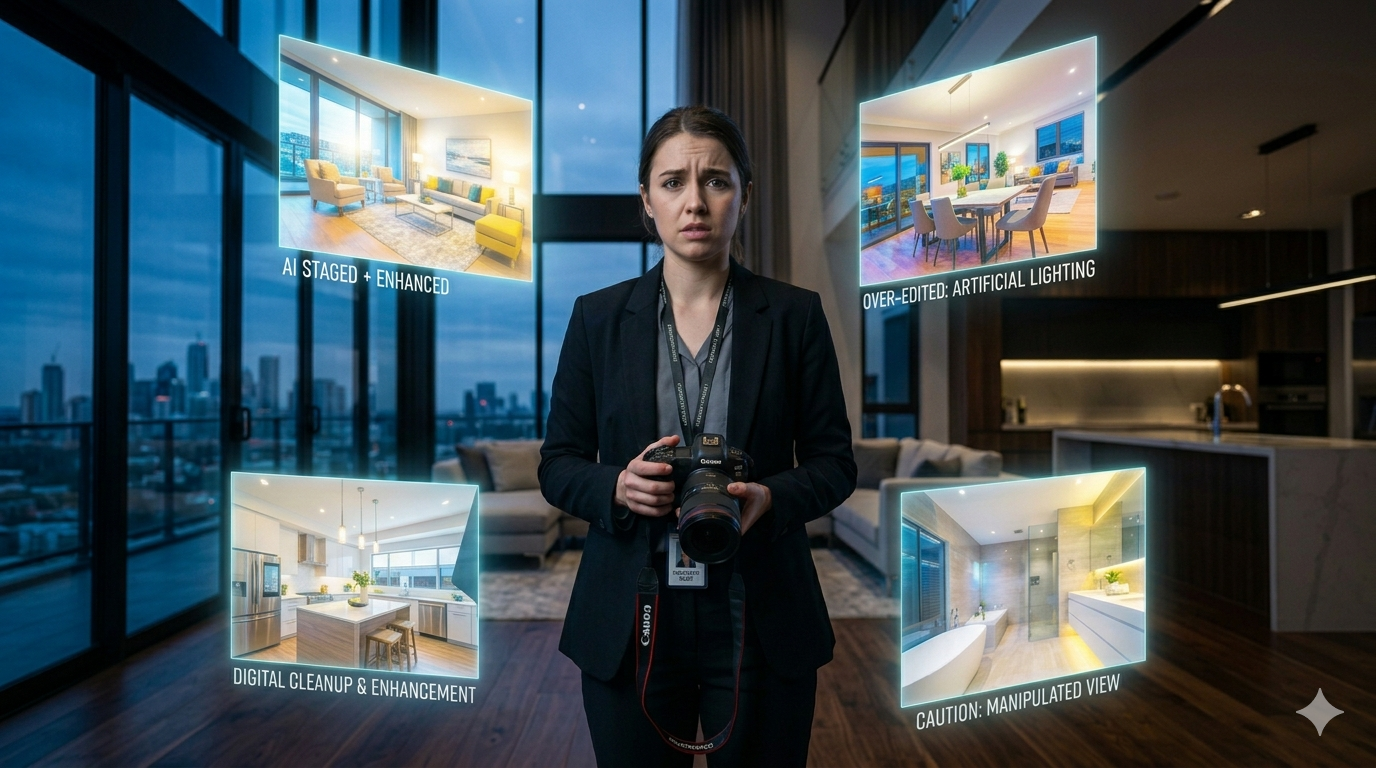
AI tools are widely used to improve property images—converting daytime photos into twilight scenes, removing clutter, or adding virtual furniture. While these changes can make listings more attractive, they can also alter factual aspects of a property. For instance, removing flaws like cracks or water damage, changing structural features, or adding elements that do not exist may mislead buyers. Misrepresentation is not just an ethical concern—it has legal consequences. Buyers who feel misled can claim fraud or misrepresentation, and photographers could be held liable.
Copyright and Ownership Issues
Typically, photographers own the copyright to images they create unless rights are transferred through a contract. However, the use of AI complicates this. If AI generates or heavily modifies an image, questions arise: Who owns the copyright? The photographer? The client? Or is it considered unprotected by copyright law if human creative input is minimal? This gray area can create disputes over usage rights, especially when images are sold, displayed online, or used for advertising.
Additionally, some AI tools embed metadata or watermarks that indicate the software’s involvement. Removing this metadata without permission can violate legal protections against tampering with copyright information, adding another layer of risk for photographers who aren’t careful.
Compliance With Listing Rules
Most Multiple Listing Services (MLS) have strict guidelines regarding digital alterations in property photos. Many prohibit edits that materially misrepresent a property, including certain enhancements or added elements. Uploading AI-enhanced images without proper disclosure can result in rejected listings, fines, or complaints. Some jurisdictions now require that any digitally altered images be labeled as modified, and original unedited versions be available for comparison. This ensures transparency for buyers and helps maintain trust in the marketplace.
Misrepresentation and Consumer Protection
Consumer protection laws also apply to real estate photography. Altering images to conceal defects, like damaged flooring, water stains, or other flaws, can be considered deceptive advertising. If a buyer makes a purchase decision based on manipulated photos and later discovers discrepancies, photographers and agents can face legal claims. Misrepresentation doesn’t require intent—simply producing images that materially mislead can expose professionals to liability. Ensuring that edits do not distort reality is therefore essential.
Updating Contracts for AI Use
Many real estate photography contracts specify image usage, ownership, and permissible edits. However, most do not address AI-enhanced images. Without clear terms, disputes may arise over rights, responsibilities, or misrepresentation. Photographers should update contracts to include:
- Acceptable editing parameters
- Explicit mention of AI involvement
- Licensing terms for edited images
- Responsibility disclaimers regarding misrepresentation
Having clear, documented agreements protects both photographers and clients and reduces the likelihood of disputes escalating to legal action.
Ethical Considerations
Even when edits are legal, ethical concerns remain. Highly “perfect” images that misrepresent a property can disappoint buyers, damage reputations, and erode trust between photographers, agents, and clients. While ethical issues may not always lead to lawsuits, they can result in lost business, negative reviews, or disputes over professional responsibility. Transparency, honesty, and clear communication about what has been altered are key to maintaining credibility in the industry.
Best Practices to Minimize Risk
To navigate the legal and ethical landscape, photographers should adopt best practices:
- Know Your Tools – Understand how AI software modifies images, including embedded metadata or automatic alterations.
- Keep Originals – Retain unedited images for verification, MLS compliance, and dispute resolution.
- Disclose Edits – Clearly label photos that have been virtually staged or significantly altered to maintain transparency.
- Update Contracts – Include AI-specific clauses covering usage rights, permissible edits, and responsibilities.
- Stay Informed – Regularly review local laws, MLS regulations, and industry guidelines regarding digital image editing.
By following these steps, photographers can reduce their exposure to liability while still benefiting from AI tools.
The Future of Real Estate Photography
AI will continue to play a growing role in real estate photography. The challenge for professionals is balancing innovation with responsibility. While AI can produce visually compelling images that attract buyers, failure to understand legal implications can jeopardize both careers and client relationships. Being proactive, transparent, and informed is no longer optional—it’s essential for survival in a tech-driven industry.
FAQs
Q1: Can AI-edited real estate photos be copyrighted?
Copyright generally protects images created by humans. If AI heavily alters an image with minimal human input, copyright may be uncertain, making it important to clearly document the human contribution.
Q2: Is using AI for real estate photography illegal?
Using AI is not illegal, but misrepresenting properties or failing to disclose edits can violate consumer protection laws, MLS rules, or ethical standards.
Q3: What are the consequences of misrepresenting a property?
Misrepresentation can lead to claims of fraud, ethical complaints, fines from MLS boards, or damage to reputation and business relationships.
Q4: Should photographers update their contracts for AI use?
Yes. Contracts should specify what edits are allowed, how AI tools may be used, and responsibilities for misrepresentation to avoid disputes.
Q5: Can removing AI software watermarks or metadata be risky?
Yes. Tampering with embedded metadata or watermarks can violate copyright or digital rights laws, so it should be avoided.