

Conceptual photography is more than visual emotion, symbolism, and story wrapped into a single frame. I needed elaborate setups to convey meaning when I first started exploring it. But over time, I discovered something unexpected: less can truly be more. Prop Ideas for Conceptual Photography. Some of my most powerful images were born from using just one or two simple props. Minimalism doesn’t strip the story away, it sharpens it. In this article, I’ll share six essential minimal prop ideas that have helped me create deeper, more resonant conceptual photos. Whether you’re just starting or looking to simplify your style, these ideas can help you craft compelling visuals with clarity and intention.
Understanding the Concept of Minimalism
Minimalism isn’t just a style, it’s a way of seeing the world.
I didn’t fully grasp that until I was overwhelmed, not just in my photography, but in life. There are too many props, too many distractions, and too much noise. I started asking myself what mattered in my work and in my day-to-day. That question led me to minimalism, and everything changed. At its heart, minimalism is about being intentional. It’s about stripping away what’s unnecessary so that what’s left can truly shine. In photography, especially conceptual photography, this mindset is incredibly powerful. When you remove the clutter, your message becomes clearer. You stop trying to say everything, and instead, you say the one thing that matters most. Some of my favorite images have come from using just a single object, a balloon, a feather, or a piece of glass set against a plain backdrop. That simplicity creates space. Space for emotion. Space for meaning. A single prop can carry a story. A subtle texture can evoke a memory. A shadow can whisper something only the viewer can hear. Minimalism doesn’t limit you, it frees you. It helps you focus, and it invites your audience to do the same. You’re not just creating images anymore. You’re creating space for connection, for reflection, for something deeper.
In the next section, I’ll share six of my go-to minimal prop ideas, the ones that have helped me create some of my most impactful work. They’re simple, yes, but they’re anything but empty.
Props That Evoke Emotion and Story
In conceptual photography, props aren’t just objects, they’re whispers of a story, fragments of emotion, and sometimes, the voice that says what words cannot.
I remember the first time I used a vintage suitcase in a shoot. It wasn’t just an old piece of luggage, it felt like a symbol of journeys I hadn’t taken, memories I hadn’t lived. That’s the magic of props. Even the simplest ones, when placed with care, can transform a photo into something deeply personal and universally relatable. A single flower can speak volumes about fragility. A broken mirror, carefully lit, can hint at a shattered identity or the fractured way we sometimes see ourselves. These aren’t just visual choices, they’re emotional ones. What truly brings them to life is context. Where you place props and how it’s lit, all of these choices shape how the viewer feels. A soft fabric draped over rough wood might quietly express the tension between comfort and vulnerability. A lone chair in an empty room might stir feelings of absence or solitude.
Over time, I’ve come to see props as emotional anchors. They don’t just decorate a frame; they invite viewers into a story, prompting them to stay a little longer, to look a little deeper. And when done right, those images stay with people. Not because of how they looked, but because of how they made them feel.
Transparent Umbrella for Ethereal Effects
Sometimes, it’s the simplest objects that carry the most magic.
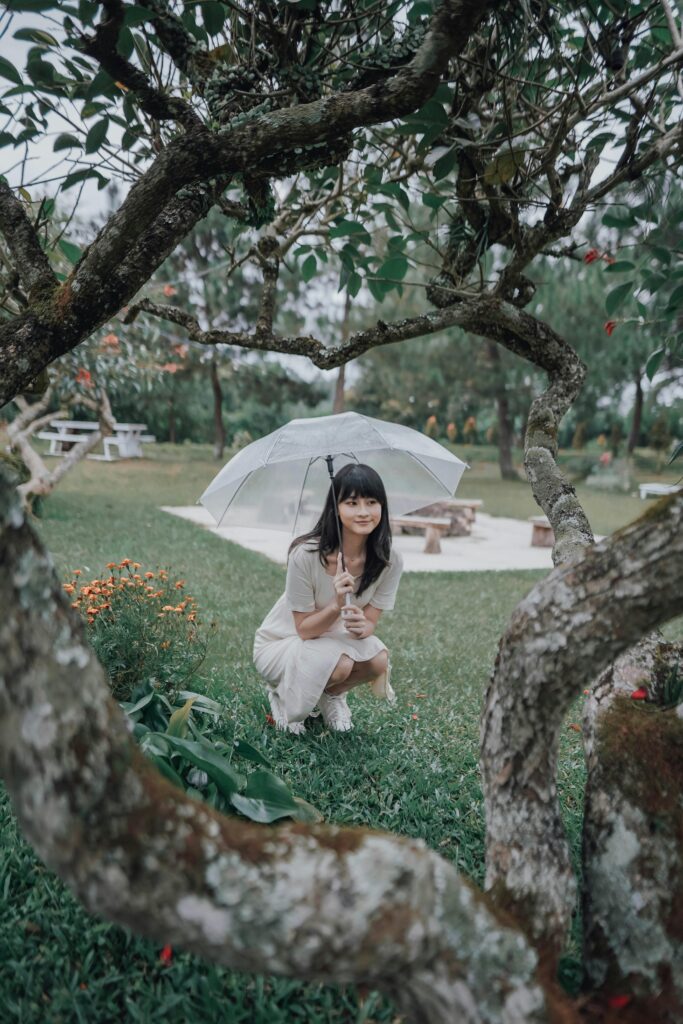
A transparent umbrella might not catch your eye at first. It’s just plastic and metal, a tool meant to shield us from rain. But in conceptual photography, this humble item becomes something else entirely: a portal to a dreamscape, a lens for light, a delicate barrier between reality and imagination. The first time I used one in a shoot, it was purely practical. I needed something to diffuse the midday sun. But when I reviewed the photos, I was stunned. The umbrella didn’t just soften the light, it transformed it. Refractions danced across the frame. Shadows curved in unusual ways. It was as if the scene had been touched by something otherworldly, something fragile and beautiful. That’s the power of a transparent umbrella. Its sheer surface doesn’t block the light, it bends it. It reflects just enough to create intrigue, while allowing just enough through to preserve clarity. Backlight it, and it glows like a halo. Pair it with colored gels, and suddenly it becomes a canvas for emotion, soft pinks for nostalgia, deep blues for solitude, warm ambers for a fleeting moment of connection. But what makes this prop truly remarkable is that it can bring a shot to. Imagine a figure standing beneath it in the middle of an empty field, the sky heavy with clouds. There’s no rain, yet the umbrella remains a quiet symbol of protection, perhaps even vulnerability. Or place it in a surreal setting, suspended in midair or carried by an unseen hand, and you create tension, a question, a moment that feels like a memory from a dream. Transparent umbrellas invite layers of meaning. They can represent transparency or concealment, depending on how you frame them. They can be playful or haunting, joyful or bittersweet. Their neutrality makes them a kind of emotional mirror, reflecting the tone of the story you want to tell.
In a medium where every element matters, where each object must earn its place in the frame, the transparent umbrella offers more than just aesthetic appeal it offers possibility. It encourages you to slow down, observe the way light moves, and reimagine the ordinary as something extraordinary.
So next time you find yourself stuck or seeking something different, reach for the unexpected. Sometimes, it’s the see-through things, the ones we almost overlook, that help us see more clearly.
Vintage Suitcase for Nostalgic Vibes
Every scratch, every scuff, every faded corner, a vintage suitcase is more than just luggage. It’s a time capsule, a storyteller, a quiet witness to places visited and memories made.
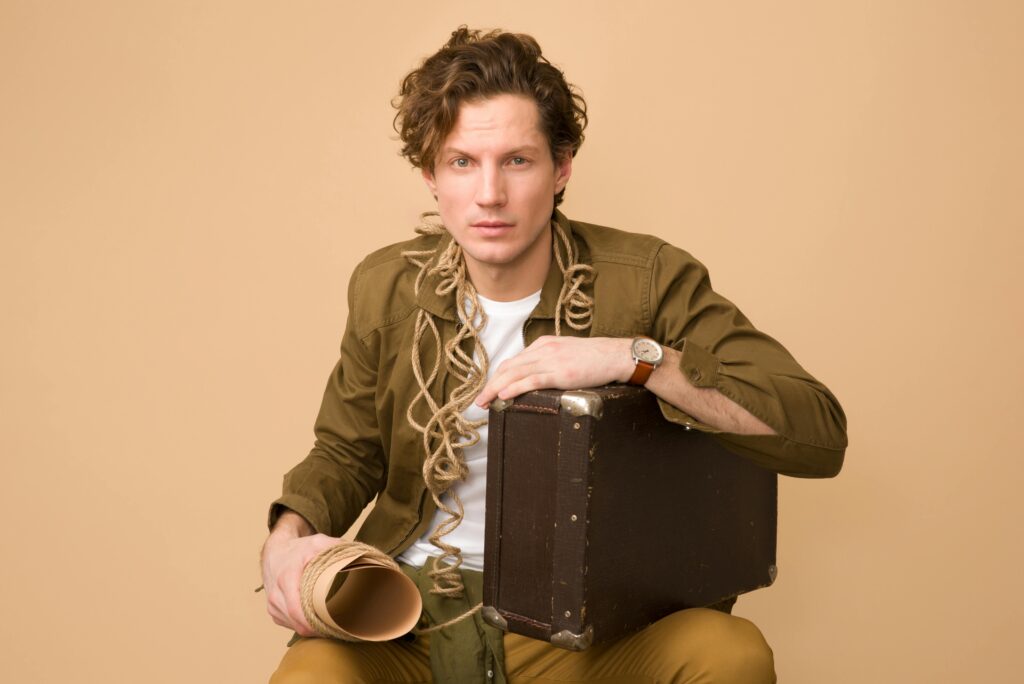
The first time I held one in my hands, I was struck by how heavy it felt, not just in weight, but in presence. It smelled faintly of old paper and worn leather. Stickers from far-off cities clung to its surface like ghosts of journeys past. And though I had no idea who it once belonged to, I couldn’t help but imagine the lives it had brushed against, the train rides, the tearful goodbyes, the long-awaited reunions. That’s the magic a vintage suitcase brings to conceptual photography. It’s not just a prop, it’s a portal. A symbol of adventure and nostalgia, yes, but also of transition, of change, of the moments in between. It carries a weight of mystery that invites the viewer to ask: Where has it been? Who carried it? What’s inside? And you, as the photographer, get to answer those questions or leave them open. Fill the suitcase with personal mementos: old letters, photographs, a lock of hair, a child’s toy. Or leave it half-open and empty, placed alone on a weathered path at sunset. Either way, it becomes a narrative anchor, a thread the viewer can follow into your story. Its versatility is one of its greatest strengths. In a lighthearted outdoor scene, it can hint at whimsy or wanderlust. In a dark, moody room, it might evoke longing or loss. Lit from behind, its silhouette becomes almost cinematic; lit from above, its textures speak softly of time. The way you place it in motion or still, open or closed, centered or forgotten in a corner changes everything.
There’s something universal about the image of a suitcase. We’ve all packed one. We’ve all left, arrived, and waited. We’ve all carried something we didn’t speak about. When you include it in your frame, you’re tapping into those shared human experiences, and your viewer feels it, even if they don’t know why.
So the next time you’re crafting a scene, ask yourself: What if the suitcase is the story? Not a prop in the background, but the heart of the image. The silent keeper of secrets. The invitation to imagine what came before… and what might come next.
Simple White Chair for Clean Lines
At first glance, it’s just a white, clean, unassuming. But place it in the right frame, and suddenly, it becomes much more.
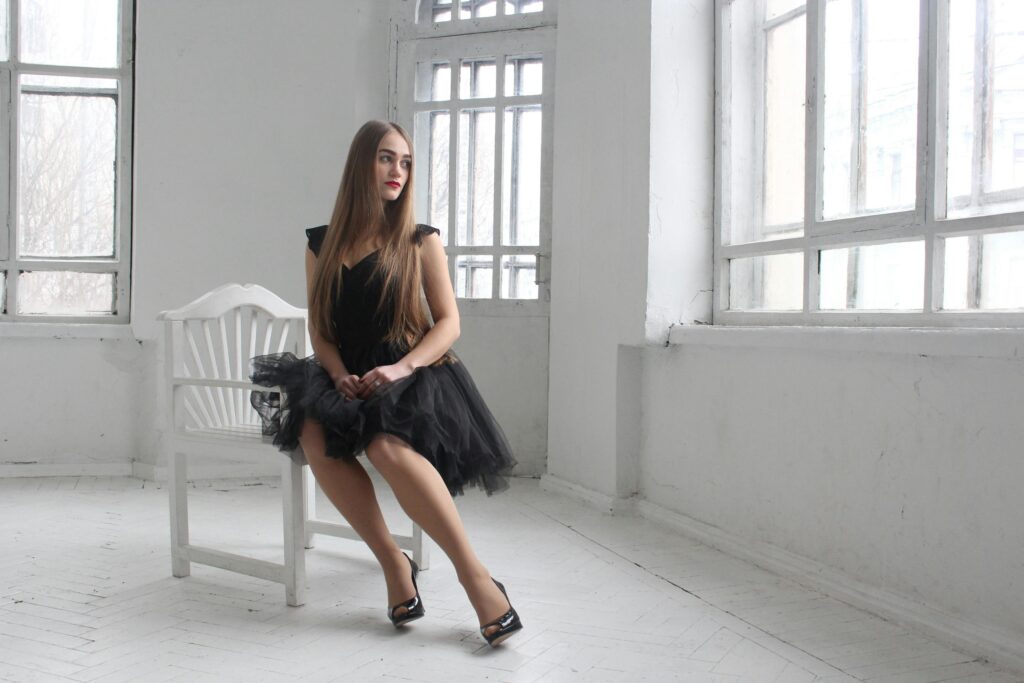
I remember stumbling across one during a location shoot. It was tucked in the back of a studio, a little scuffed, worn smooth from use. There was nothing extraordinary about it, and yet, when I brought it into the light and placed it alone in the middle of an empty room, the scene shifted. It didn’t need embellishment. Its simplicity was the story. That’s the quiet power of the simple white chair. With its crisp lines and neutral tone, it acts like a visual pause, a moment of stillness in a noisy frame. Its minimalist design doesn’t scream for attention, but somehow, it holds it. It becomes a mirror, reflecting whatever emotion or narrative you build around it. Solitude. Clarity. Waiting. Presence. Use it in an open field, and it becomes a question: Who was here? Who’s coming back? Place it under harsh city lights, and becomes a statement of elegance among chaos. Add a figure sitting in it, it’s a portrait of vulnerability or strength, depending on the posture, the shadows, and the silence around them. And yet, even when it’s empty, it speaks. The white chair invites contrast. Against bold backdrops, brick walls, colorful graffiti, and dark forests, not with flash, but with purpose. It centers the viewer. It offers a visual anchor, a sense of order. But more than that, it creates space. Space for thought, for feeling, for interpretation. That’s the heart of conceptual photography, letting a single object carry layers of meaning. In a world where everything clamors for attention, the white chair. It reminds us that storytelling doesn’t always require complexity. Sometimes, the most compelling images come from the simplest setups: one chair, one idea, one powerful frame.
So next time, you’re planning a shoot, consider bringing one along. Not because it’s trendy or easy to style, but because it allows the story to speak louder.
Single Flower for Natural Elegance
Sometimes, it only takes one flower to say everything.
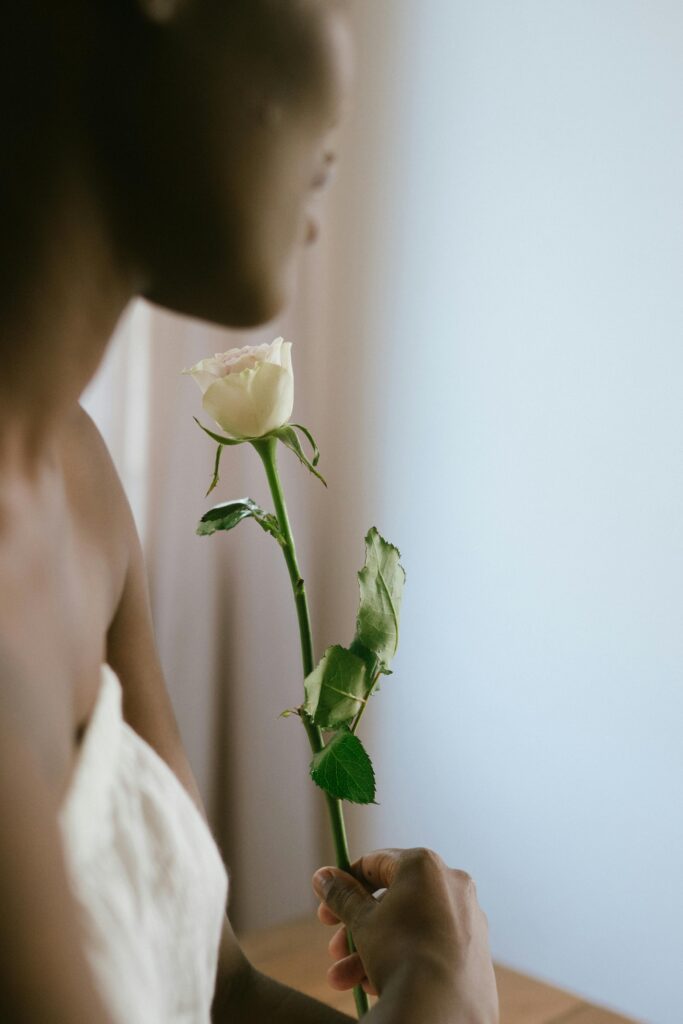
Not a bouquet. Not a field. Just one. A single bloom, fragile and bold all at once, stands alone in the frame. That’s quite a strength a flower holds in conceptual photography, it doesn’t just decorate the image, it defines it. The first time I centered a shoot around one flower, I wasn’t expecting much. It was a small, slightly wilted daisy I found growing through a sidewalk crack. But when I brought it into focus, everything else faded. The shape of its petals, the curve of its stem, the way the light caught its edges, it was simple, yes, but breathtaking. It didn’t need anything else. It carried the emotion on its own. That’s the beauty of working with a single flower. It forces you and your viewer to slow down. To notice the fine details, the tiny veins in a petal, the slight asymmetry that makes it real. It invites reflection. Solitude. Wonder. Place it against aged wood, and it becomes a contrast between softness and strength. Lay it gently on sheer fabric, and it whispers of vulnerability. Use hard lighting to cast sharp shadows, and add a sense of drama and tension within the tenderness. You don’t have to stage anything elaborate. That’s the point. One flower can carry an entire narrative: love remembered, life in stillness, beauty in impermanence. And depending on the bloom you choose, a rose, a sunflower, or a wilted tulip, the story shifts. It’s like casting the lead in a silent film. The emotion lives in the posture, the setting, and the pause.
A single flower reminds us of the quiet power of restraint. It asks us to look closer. Feel deeper. And maybe, for a moment, see something we’ve passed by a thousand times, now suddenly unforgettable.
Geometric Shapes for Bold Composition
Geometric shapes have a way of speaking without words.
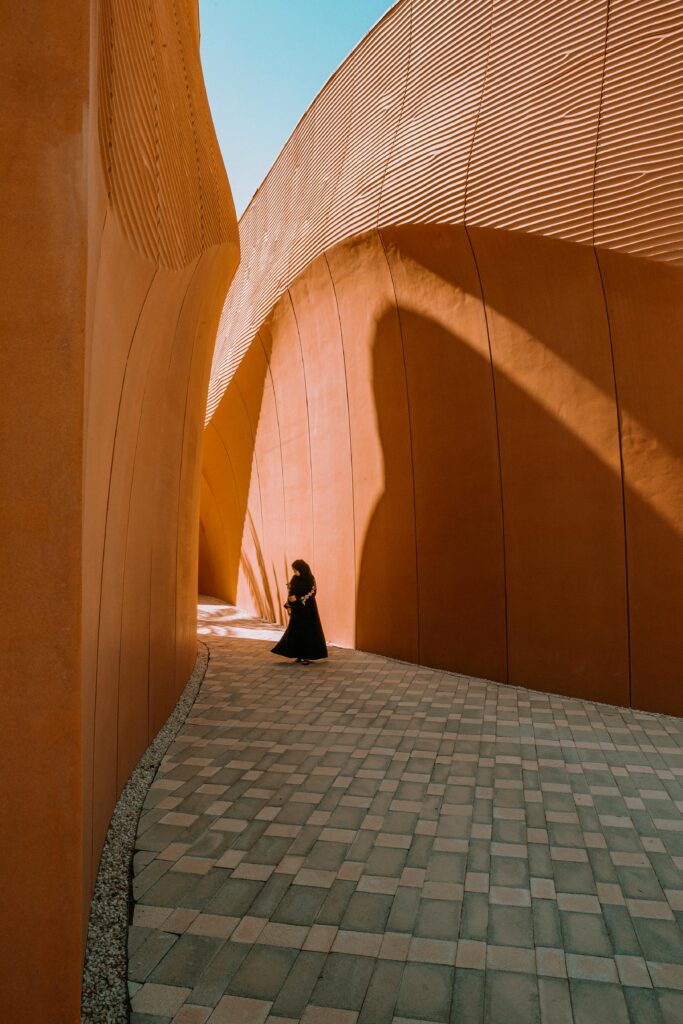
Geometric shapes serve as powerful tools in conceptual photography, offering a unique way to convey themes and emotions through bold composition. Triangles, circles, and squares, Photographers can create dynamic visual tension that guides the viewer’s eye and fosters a deeper connection to the subject matter. For instance, incorporating triangular shapes can evoke a sense of stability or direction, while circular forms might symbolize unity and wholeness. These shapes enhance aesthetic appeal and invite interpretation, transforming ordinary scenes into thought-provoking narratives.
When considering prop ideas for conceptual photography, think beyond traditional objects. Incorporate items that embody geometric forms, such as mirrors, transparent acrylic panels, or even architectural elements. Experimenting with negative space can further amplify these shapes, allowing them to breathe and interact organically with the surrounding environment. This approach not only enriches the visual dialogue but also encourages viewers to engage with the composition on multiple levels, prompting them to explore the relationship between shapes and their emotional resonance.
Glass Ball for Distorted Perspectives
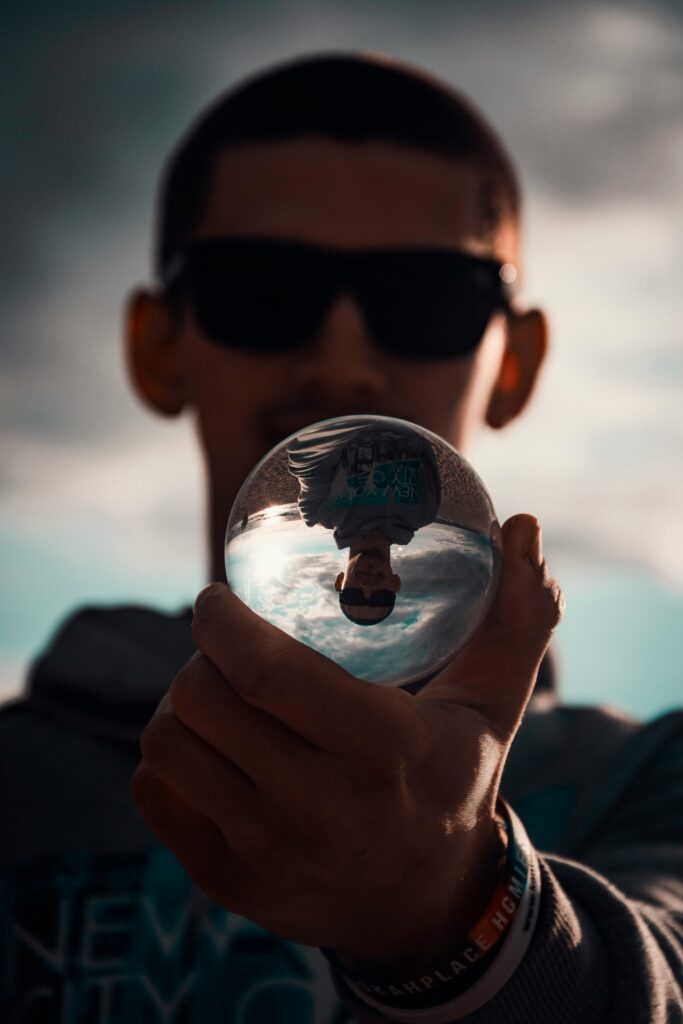
In conceptual photography, the glass ball emerges as a compelling prop that transcends traditional boundaries. Its spherical shape refracts light and alters perceptions, inviting viewers to explore a world between reality and illusion. Photographers can harness this unique distortion to create striking images that challenge conventional viewpoints, pushing the audience to engage with the subject matter on a deeper level. By manipulating the glass ball’s position, one can encapsulate elements of the surrounding environment while simultaneously crafting an intriguing visual narrative.
Moreover, the glass ball serves as a metaphor for clarity amid chaos; it reflects the complexities of life while providing a lens through which to examine our distorted realities. Incorporating this prop into your photography enhances aesthetic appeal and enriches thematic depth. Imagine capturing a bustling cityscape where the glass ball transforms urban chaos into a serene orb, offering a moment of contemplation amid the frenzy. Such innovative use of props in conceptual photography can elevate your work, inviting viewers to reflect on their perspectives and perhaps even shift their understanding of the world around them.
Conclusion
In conceptual photography, the power of props cannot be overstated. They serve vital instruments that elevate a simple idea into a profound visual narrative. By thoughtfully selecting and integrating props, photographers can communicate complex emotions and themes, inviting viewers to interpret the underlying messages in unique ways. Whether it’s an antique clock symbolizing the passage of time or vibrant fabrics representing cultural identity, props enrich the storytelling aspect of photography, turning each image into a multifaceted work of art.
Exploring innovative prop ideas for conceptual photography opens up a world of possibilities. Consider using unconventional materials, such as natural elements or repurposed objects, to create striking contrasts that challenge traditional perceptions. Additionally, incorporating interactive props can engage your audience on a deeper level, prompting them to reflect on their own experiences and connections to the imagery. Ultimately, the key lies in the synergy between the concept and the chosen props; together, they have the potential to create a captivating dialogue that resonates far beyond the frame.