

Produ
Product Photography Tips
Did you know that high-quality product photography can increase your sales by up to 30%? For handmade jewelry sellers, captivating images are not just an option but a necessity. In this article, we’ll explore 10 game-changing product photography tips that will elevate your jewelry presentations and help you stand out in a crowded marketplace. By implementing these strategies, you’ll learn how to showcase your unique creations in the best light, ultimately attracting more customers and boosting your brand’s visibility.
Understanding Lighting for Stunning Images
Lighting is the cornerstone of exceptional product photography, transforming ordinary items into compelling visual narratives. Understanding the interplay between natural and artificial light can dramatically elevate your images. For instance, utilizing soft, diffused light can minimize harsh shadows and highlights, creating a more appealing representation of textures and colors. Experimenting with different light sources such as LED panels, softboxes, or even reflectors can help you achieve the desired mood and atmosphere.
Moreover, the direction of light plays a pivotal role in shaping the perception of your products. Side lighting can emphasize depth and dimension, while backlighting can create an ethereal glow that draws attention. Learning to manipulate light’s angle and intensity allows photographers to evoke emotions and highlight specific features of a product, making it irresistible to potential buyers. By mastering these techniques, you can not only enhance the aesthetic quality of your images but also tell a story that resonates with your audience, ultimately driving engagement and sales.
Choosing the Right Background and Props
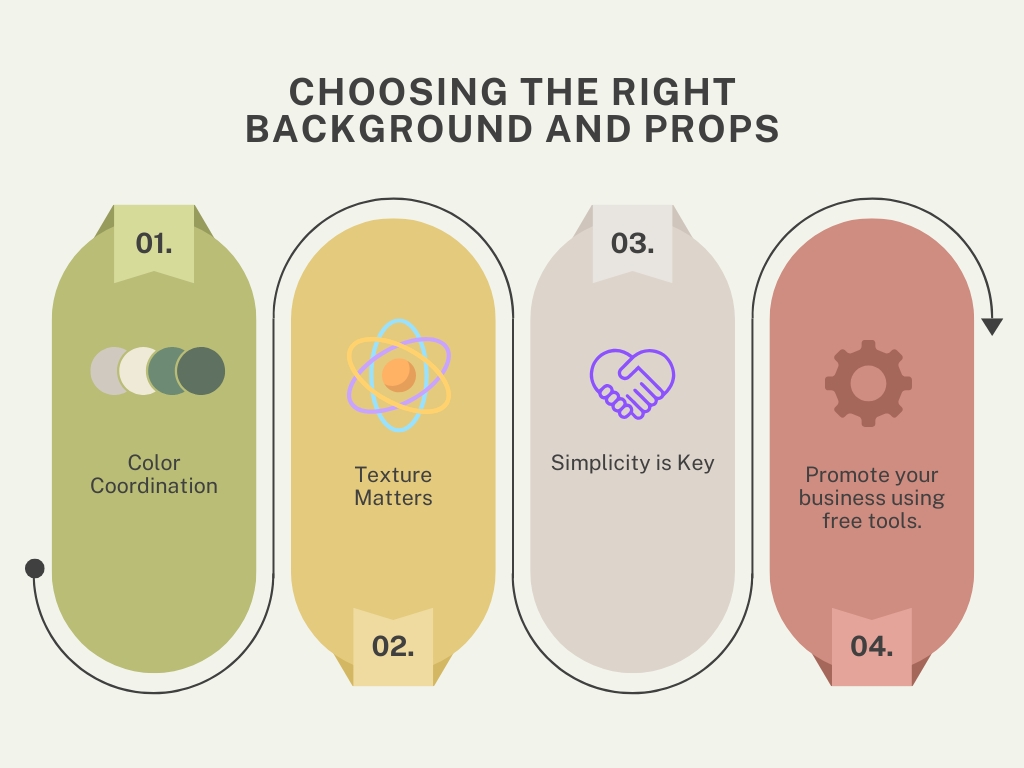
Choosing the right background and props is crucial in product photography, as they can elevate the overall aesthetic and effectively communicate your brand’s message. A well-selected background should complement your product without overshadowing it, creating a harmonious visual narrative. Consider these key factors when making your selection:
- Color Coordination: Use backgrounds that enhance the product’s colors, ensuring they pop and draw attention.
- Texture Matters: Incorporate textures that add depth and interest, such as wood, fabric, or metallic surfaces, to create a more engaging image.
- Simplicity is Key: Opt for minimalistic backgrounds to avoid distractions; a clean backdrop allows the product to take center stage.
- Props with Purpose: Choose props that tell a story or provide context think of lifestyle elements that showcase how your product fits into everyday life.
Additionally, lighting plays a pivotal role in how backgrounds and props are perceived. Soft, diffused light can create an inviting atmosphere, while harsh shadows may detract from the product’s appeal. Experimenting with various angles and distances can also yield unexpected results, allowing you to discover unique compositions that resonate with your audience. Ultimately, the right combination of background and props not only enhances the visual allure but also reinforces your brand identity in the competitive landscape of product photography.
Utilizing Different Angles for Impact
In the realm of product photography, the angle from which you capture your subject can dramatically alter its perceived value and appeal. Employing unique angles not only highlights different features but also evokes emotions that resonate with potential buyers. For instance, a low-angle shot can impart a sense of grandeur and importance to the product, making it appear more dominant and desirable. Conversely, a high-angle perspective might create a feeling of intimacy or accessibility, drawing the viewer in with an inviting approach.
Moreover, experimenting with unconventional angles can help differentiate your brand in a saturated market. Consider incorporating overhead shots to showcase intricate details or textures that may be overlooked in standard perspectives. This approach not only adds visual interest but also tells a story about the product’s craftsmanship and quality. By strategically utilizing various angles, photographers can create a dynamic visual narrative that engages the audience and compels them to explore further, ultimately enhancing their connection to the product.
Importance of High-Resolution Images
High-resolution images play a pivotal role in product photography, serving as the visual cornerstone that can make or break a consumer’s first impression. In an era where online shopping is increasingly dominant, high-quality visuals not only showcase the intricacies and details of a product but also evoke emotional responses that drive purchasing decisions. A well-captured image can highlight textures, colors, and features that might otherwise go unnoticed in lower-resolution formats, allowing potential buyers to envision the product in their own lives.
Moreover, high-resolution images contribute significantly to brand credibility and trustworthiness. Consumers are more likely to engage with brands that invest in quality visuals, as this often reflects the overall quality of the products being offered. In competitive markets, utilizing stunning imagery can differentiate a brand from its rivals, creating a memorable visual identity that resonates with target audiences. By prioritizing high-resolution images in product photography, businesses not only enhance their marketing strategies but also cultivate deeper connections with consumers who seek authenticity and excellence in their purchasing experiences.
Editing Tips for Polished Final Touches
When it comes to product photography, the editing phase is where your images truly come to life. A polished final touch can mean the difference between an ordinary photo and one that captivates potential buyers. Start by paying attention to color accuracy; ensure that the hues in your images reflect the actual products. Utilizing tools like color balance adjustments and saturation sliders can enhance the vibrancy of your shots without distorting reality.
Another critical aspect is consistency across your portfolio. Establishing a cohesive look—whether through a specific filter or a uniform background creates a professional aesthetic that builds brand identity. Don’t overlook the importance of cropping; strategic framing can draw attention to key features of the product while eliminating distractions. Finally, consider sharpening techniques to enhance details without introducing noise, ensuring that every texture and feature is crisp and inviting.
Showcasing Details with Close-Up Shots
Close-up shots in product photography serve as a powerful tool to highlight intricate details that might otherwise go unnoticed. By zooming in on textures, patterns, and craftsmanship, these shots not only enhance the visual appeal but also communicate the quality and thoughtfulness behind a product. This approach invites potential buyers to engage more deeply with the item, allowing them to appreciate the nuances that contribute to its value.
Moreover, close-up photography can evoke emotional connections by showcasing the product’s unique features in a way that resonates with the viewer. For example, capturing the delicate stitching of a handbag or the rich grains of a wooden piece can tell a story of artistry and dedication. Such images not only attract attention but also encourage consumers to envision how these details fit into their lives, ultimately driving purchasing decisions. In a competitive market, leveraging close-up shots can differentiate a brand and foster a sense of intimacy between the consumer and the product.
Creating a Consistent Brand Aesthetic
Creating a consistent brand aesthetic is essential for establishing a strong identity that resonates with your target audience. This aesthetic should encompass not just your logo and color palette, but also the style of your product photography. A cohesive visual approach can significantly enhance your brand’s memorability and appeal, making it easier for consumers to recognize and connect with your offerings. By curating a specific mood or theme in your imagery whether it’s minimalistic, vibrant, or vintage you create an emotional backdrop that aligns with your brand values and storytelling.
Moreover, consider how your product photography integrates with your overall marketing strategy. Consistency across platforms from social media to packaging ensures that customers experience a unified brand presence. This means paying attention to details such as lighting, composition, and post-processing techniques that reflect your desired aesthetic. In an age where consumers are bombarded with choices, a well-defined brand aesthetic can foster trust and loyalty, ultimately encouraging repeat purchases and word-of-mouth referrals. By investing in quality visuals that resonate with your brand narrative, you elevate your products from mere items to integral parts of a lifestyle that customers aspire to embody.
Leveraging Social Media for Visibility
Harnessing the power of social media for visibility in product photography can transform how brands connect with their audience. High-quality visuals are essential, but the strategic use of platforms like Instagram, Pinterest, and TikTok can amplify their impact. Engaging stories that showcase behind-the-scenes processes or the creative journey can captivate potential customers, inviting them into the brand’s world. By utilizing features such as Instagram Stories or TikTok’s trending sounds, photographers can create dynamic content that highlights not just the products, but the emotions and experiences they evoke.
Additionally, leveraging user-generated content can significantly enhance credibility and reach. Encouraging customers to share their photos using your product fosters a community around your brand while providing authentic testimonials that resonate with new audiences. Collaborating with influencers who align with your brand values can further expand visibility, as their endorsements introduce your product photography to established follower bases. In an era where visual storytelling is paramount, integrating these social media strategies ensures your work doesn’t just exist but thrives in a crowded digital landscape.
Elevate Your Jewelry Photography
To elevate your jewelry photography, consider the transformative power of lighting. Natural light can create a soft, flattering glow that enhances the intricate details of your pieces, while strategic use of artificial lighting allows for greater control over shadows and highlights. Experimenting with different light sources, such as diffused softboxes or LED panels, can help you achieve that coveted high-end look reminiscent of luxury brands. Remember, the way light interacts with gemstones can bring out their brilliance, making them more appealing to potential buyers.
Another essential aspect of product photography is the backdrop you choose. A clean, uncluttered surface can draw attention to the jewelry itself, but don’t shy away from experimenting with textures and colors that complement your pieces. For instance, a dark velvet cloth can create a dramatic contrast against gold or silver jewelry, while a marble background adds an element of sophistication. Additionally, incorporating props that resonate with your brand story like vintage books or fresh flowers can add depth and context to your images, making them more relatable and engaging for your audience.