Northern Lights Could Dazzle Across 15 U.S. States Tonight After Major Solar Storm Warning
Skywatchers across parts of the United States may get a rare treat tonight as the NOAA (National Oceanic and Atmospheric Administration) issues a geomagnetic storm watch for December 3–4, raising the odds of the Aurora Borealis — commonly known as the Northern Lights — lighting up the night sky.
A powerful solar event triggered by a recent X-class solar flare on December 1 sent a coronal mass ejection (CME) and a fast solar wind stream toward Earth. The combined impact could push geomagnetic conditions to G2 (moderate) levels. Forecasters warn of a brief possibility of G3 (strong) activity if the CME and solar wind arrive simultaneously, which might intensify aurora visibility.
Where You Might See the Lights
According to the latest forecast maps from NOAA and skywatching outlets, the following 15 states fall under the aurora “view line” for tonight’s expected display:
- Alaska
- Washington
- Idaho
- Montana
- North Dakota
- South Dakota
- Minnesota
- Wisconsin
- Michigan
- Maine
- Vermont
- New Hampshire
- Wyoming
- Iowa
- New York
Residents in these states should monitor cloud cover and light pollution; a dark sky and clear northern horizon will maximize chances of catching the show.
Meteorologists remind viewers that auroras can surprise. If geomagnetic storming exceeds predictions — reaching G3 levels — the aurora could drift farther south, offering glimpses to states normally outside the typical aurora zone.
Best Time to Watch
The window for optimal viewing begins after sunset and extends through the night. NOAA data suggest auroral activity may peak between roughly 7 p.m. and midnight local time, with possible continuation into pre-dawn hours.
For the best odds: find a location away from city lights, face north, and let your eyes adjust to the dark for at least 20–30 minutes. Some observers may spot faint glows with the naked eye; others may need a smartphone or camera on night mode to catch subtle shimmering.
What’s Behind the Show
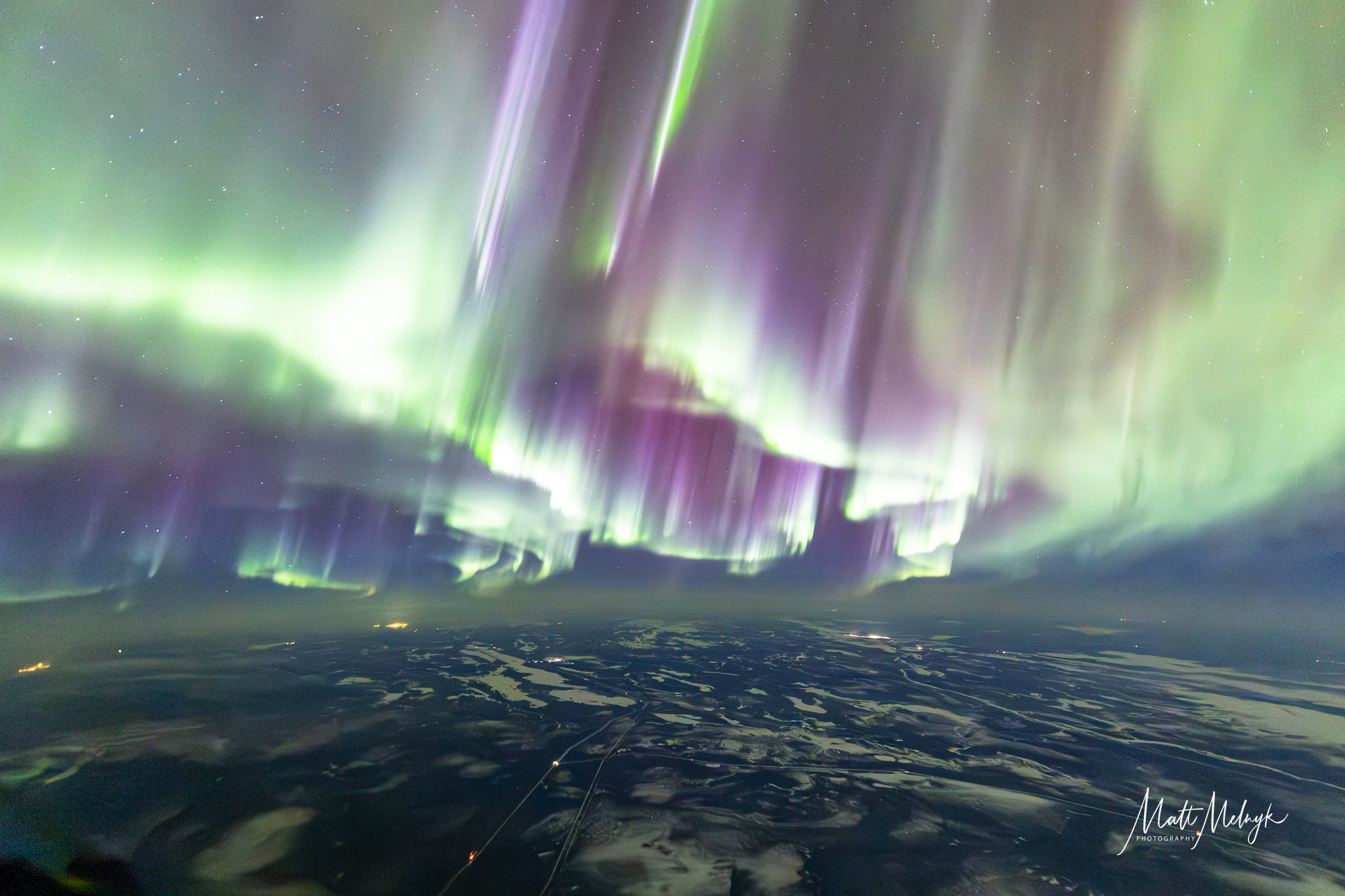
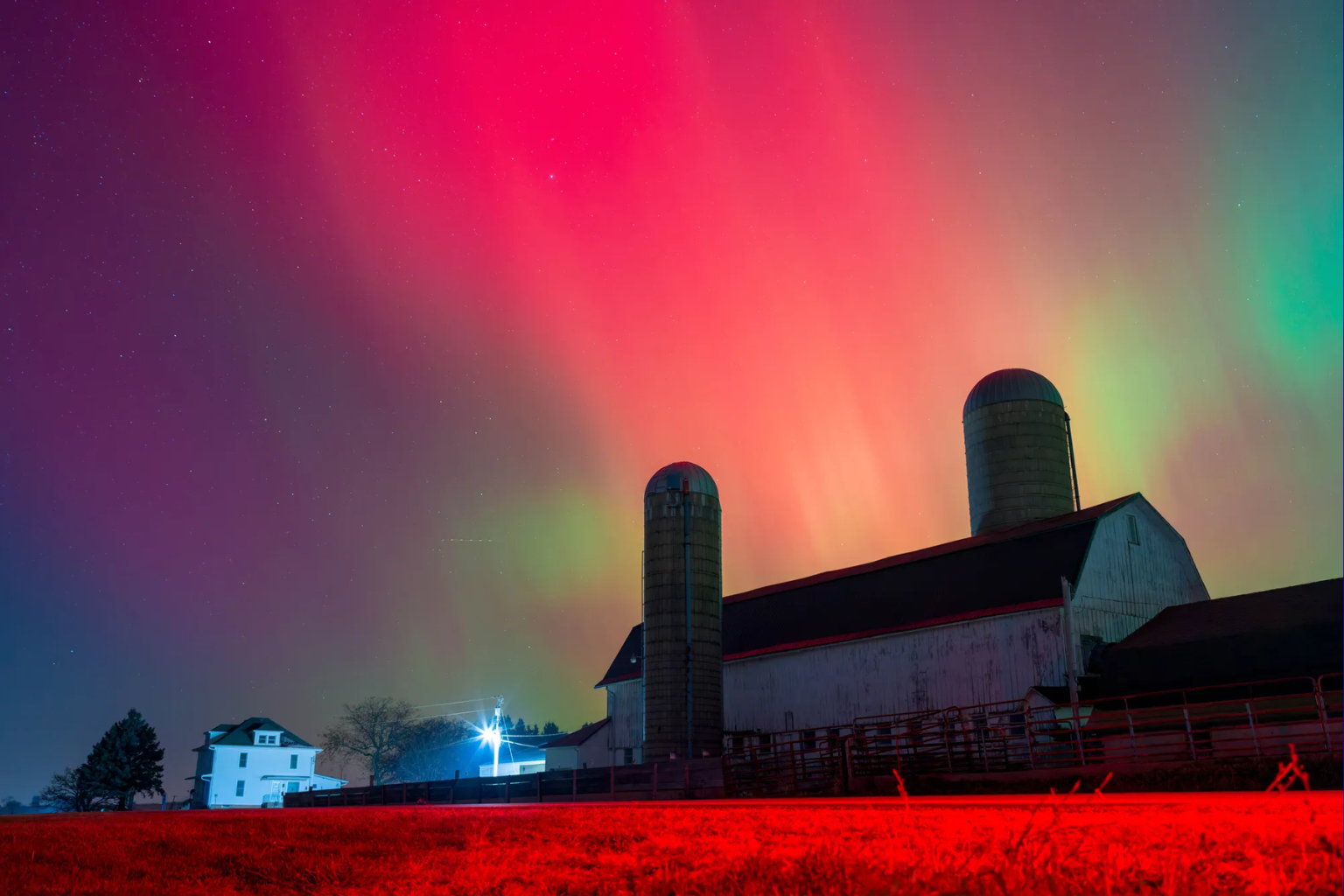
Solar physicists attribute the heightened aurora chances to a rare alignment: a fast solar wind stream plus a CME from the sun’s recent activity. Charged particles from the sun collide with Earth’s magnetic field. These collisions excite atoms in the upper atmosphere, producing those vivid green, red, and sometimes purple lights.
Such occurrences remain unpredictable. Even when forecasts show potential, cloud cover, moonlight, or local light pollution can spoil the view. Aurora watchers must remain flexible and ready to head out on short notice.
Why This Aurora Forecast Matters
This event follows a period of increased solar activity in 2025. Forecasters at NOAA and other space-weather agencies have warned that as the solar cycle builds toward its peak, Earth may endure more frequent CMEs and geomagnetic storms.
For many skywatchers, tonight offers a golden opportunity — perhaps one of the best aurora displays this season. For photographers and astronomy enthusiasts, the combination of a strong geomagnetic event and clear weather could produce dramatic photos and memories.
Tips If You Go Aurora-Chasing
- Head as far from city lights as possible. Rural areas offer best visibility.
- Face north and scan the horizon after sunset. Aurora often appear near the horizon before rising higher.
- Allow your eyes at least 20–30 minutes to adjust to darkness before expecting to see anything.
- Use a smartphone on night-mode or a camera with long exposure; faint auroras may not be visible to the naked eye initially.
- Keep warm. Dress in layers and bring blankets or chairs if you plan to stay outdoors for hours.
- Monitor real-time aurora forecast maps from NOAA or trusted apps for live updates on geomagnetic activity.
Tonight’s aurora display could serve as a vivid reminder of our connection to the cosmos. The sun’s storms, Earth’s magnetic field, and human curiosity — together may conjure one of nature’s most beautiful spectacles.
Don’t Miss the Sky Show — Head Out Tonight
Grab warm clothes. Pick a dark spot away from city lights. Look north after sunset. Use your phone camera or a DSLR for long exposure. Track live aurora maps from NOAA or trusted apps. Stay ready. Tonight, the sky may reward you with a breathtaking Aurora Borealis.