Martin Luther King Jr. and the Power of a Dream: Revisiting the 1963 Speech Through the Lens of the American Dream
On January 18, 2026, news outlets including CNN revisited one of the most influential speeches in American history, Martin Luther King Jr.’s “I Have a Dream” address, on the occasion of Martin Luther King Jr. Day. The renewed focus highlighted not only the speech itself but also the deeper meaning of the “dream” King evoked. Modern commentators linked King’s vision to the American Dream, a concept first popularized by historian James Truslow Adams in 1931.
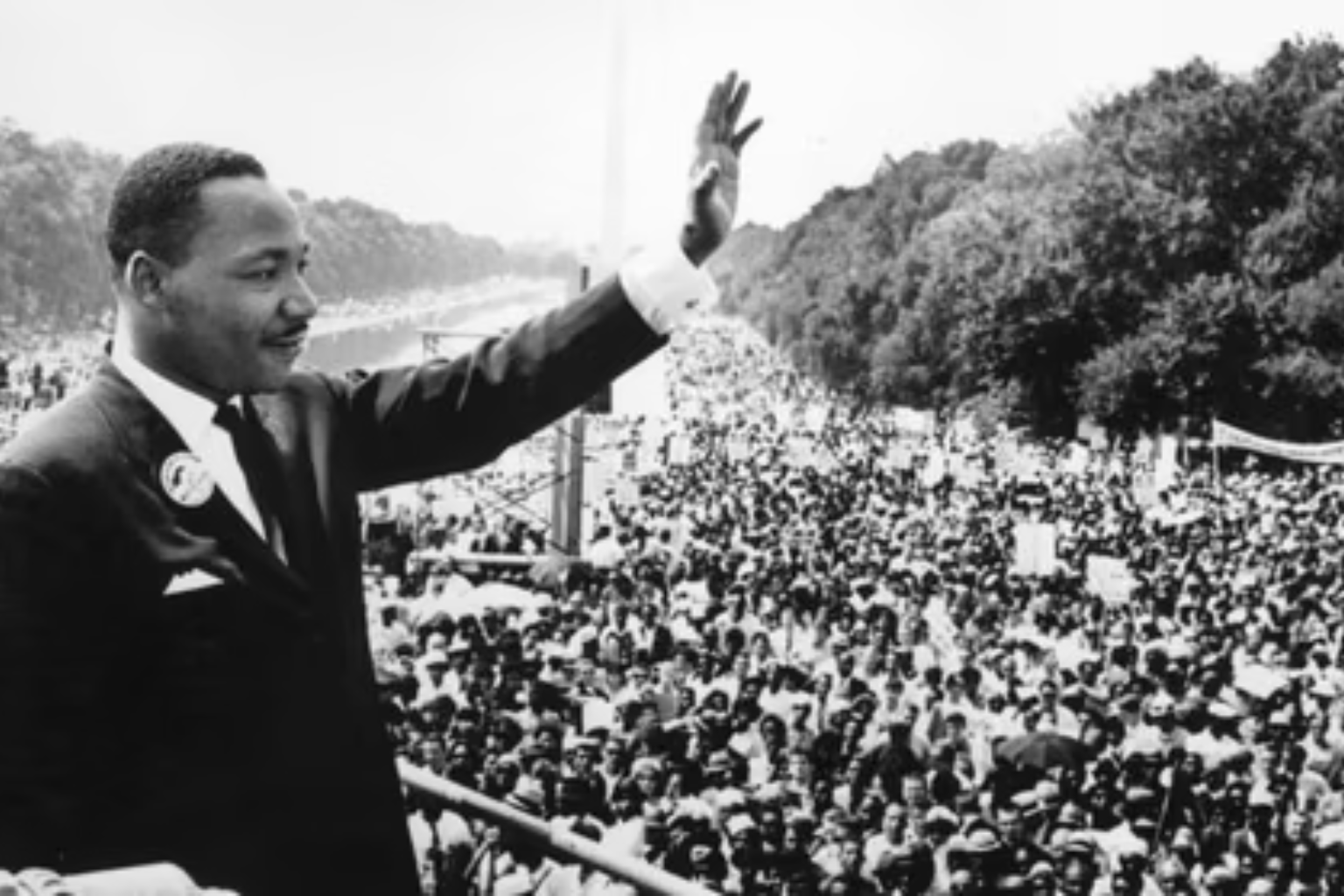
Over six decades after its delivery, King’s speech remains a defining moment in the American civil rights movement. He stood on the steps of the Lincoln Memorial on August 28, 1963, calling for an end to racial injustice and challenging the nation to live up to its founding ideals — equality, liberty, and justice for all.
The speech drew a crowd of more than 250,000 civil rights supporters during the March on Washington for Jobs and Freedom. This event became a pivotal expression of nationwide demand for changes in law and society.
King did not begin his speech with the words “I have a dream.” He started with prepared remarks about racial inequality, referencing historical documents like the Emancipation Proclamation and the Declaration of Independence. As he approached the end of his script, he abandoned the prepared text. A gospel singer in the crowd, Mahalia Jackson, called out to him, urging him to speak about his dream of equality and freedom. That moment became the turning point.
King’s most famous passage emerged almost spontaneously. He spoke about a nation where people would “not be judged by the color of their skin but by the content of their character.” These words resonated with listeners then and echo today as a timeless expression of hope and aspiration.
American Dream and James Truslow Adams
To understand the impact of King’s message, news outlets examined its connection to the American Dream — a term coined decades earlier. Historian James Truslow Adams first used the phrase in his 1931 book The Epic of America, describing it as a dream “of a land in which life should be better and richer and fuller for everyone, with opportunity for each according to ability or achievement.” This idea emphasized not material success, but a chance for personal growth and collective opportunity.
Adams’s concept highlighted equality of opportunity and the belief that every person should be able to develop their abilities free from social restraints. That framework underpinned many civil rights arguments in the 20th century. King’s speech drew from this ideal, asserting that the nation had yet to fulfill its promise of justice and equality for all its citizens.
While Adams wrote during the Great Depression, King spoke amid a civil rights movement that had grown frustrated by systemic discrimination and unequal treatment under the law. Both men used the language of dreams to describe a vision of inclusion, though King’s meaning focused on racial justice and unity.
King’s Message and Its Continued Relevance
King’s address became more than a moment in time. It evolved into a symbol of struggle and aspiration. His dream was rooted in the American Dream, but it also challenged Americans to confront long-standing inequalities.
In his speech, King called for civil and economic rights and an end to legalized racism. He invoked historical documents and symbols of American freedom — including references that mirrored themes found in the Declaration of Independence.
King used powerful metaphor and repetition to shape his narrative, capturing the urgency and moral imperative of the moment. His use of repetition — especially the phrase “I have a dream” — created a rhythmic appeal that underscored his vision for the future.
King’s dream was not abstract fantasy. It was grounded in lived experience and collective struggle. He spoke for people who had endured hardship and systemic exclusion, highlighting injustice and calling for true freedom and equality.
Despite the years that have passed, King’s dream remains central to discussions about race, justice, and national identity. His message continues to appear in speeches, ceremonies, and educational contexts, reminding generations of Americans and global listeners about the work that remains.
- 9 Secrets to Bulk Product Photography Success

- 2025 Trends: Elegant Flat Lay Photography with White Background

- 7 Reasons Why White Backgrounds Boost Online Store Photos

- 5 Lighting & Camera Tips for White Background Shots

- 10 Game-Changing Product Photography Tips for Handmade Jewelry Sellers

- Custom Lifestyle Product Photography: 10 Proven Strategies for Higher ROI

Echoes of the Dream in Today’s Society
In revisiting King’s speech, commentators reflect on how far the nation has come and how far it still must go. People see the speech as both a historic milestone and a living challenge. Many observers note that the original idea of the American Dream has taken on new meanings over time. While Adams emphasized opportunity and moral values, some critics argue that contemporary interpretations focus too heavily on material success or individual advancement rather than collective equality.
Public conversation often centers on how economic inequality, racial disparities, and political divisions affect access to opportunity. These discussions reflect how difficult it can be to realize the spirit of the American Dream in daily life. Yet millions of people continue to invoke King’s words as a call to action, urging progress toward a more inclusive society.
The Speech’s Lasting Impact
King’s address influenced major civil rights legislation in the 1960s, including the Civil Rights Act of 1964. It also helped shift public opinion and motivate further activism. Over time, the speech has been celebrated not just in the United States, but around the world.
Institutions such as the Martin Luther King Jr. Memorial in Washington, D.C. commemorate his legacy with striking symbolism. The centerpiece of the memorial is a sculpture called the “Stone of Hope,” rising from a larger piece of granite representing the “mountain of despair” — a visual tribute to King’s enduring vision.
Over the decades, scholars, educators, and public figures continue to explore the meaning of the dream. Some compare it to other cultural expressions of aspiration, while others spotlight the practical work still needed to achieve real equality. In each case, King’s speech provides a reference point — a clear statement of ideals that continues to inspire.
Latest News
- Man Charged After Cyclist Pushed Off Beach Seawall in Sandown
- Dan N Rose Photography & Film | Professional Photography & Film Services in Katy, Texas
- Real Estate Update: USDA Vacates DC Headquarters & Courts Seek Control of Courthouses
- Rewarx Launches Prompt-Free AI for 4K E-Commerce Photos
- Middle East War Explained: Maps, Videos and Photos
Local Celebrations and Remembrance in 2026
On Martin Luther King Jr. Day 2026, communities across the United States held events, lectures, and performances honoring King’s memory. Many gatherings included readings of the “I Have a Dream” speech and discussions about the American Dream’s relevance today. Schools and universities hosted panels in which students offered reflections on King’s message. Leaders at civic events emphasized the role of community engagement and public service in keeping the dream alive.
Civil rights organizations used the anniversary to highlight ongoing challenges, such as racial disparities in education, housing, and employment. These groups called for policy initiatives and community action that honor King’s legacy by striving toward greater equality.
Conclusion: Dream and Reality
The connection between King’s vision and the broader American Dream shows how powerful ideas can shape national identity. Martin Luther King Jr. used the language of dreams to define urgency and possibility. His words did not just inspire those who heard them in 1963. They continue to influence how people think about justice and opportunity.
In revisiting this speech in 2026, the nation reflects on its history and on the work still to be done. King’s dream stands as both a benchmark and a challenge. It invites Americans and people around the world to consider the meaning of freedom, equality, and human dignity in every era.
Capture What Truly Matters With TheFocusCraft
TheFocusCraft delivers high-quality visual services designed to elevate brands, properties, and personal milestones.
Our core services include:
- Real Estate Photography
Showcase homes and commercial spaces with sharp, well-lit visuals that attract serious buyers and renters. - Wedding Photography
Preserve real emotions and unforgettable moments with timeless wedding photography that tells your story naturally. - Product Photography
Highlight products with clean, professional images that enhance trust and boost conversions across websites and marketplaces.
Each project focuses on clarity, detail, and authenticity — visuals that speak for themselves.