
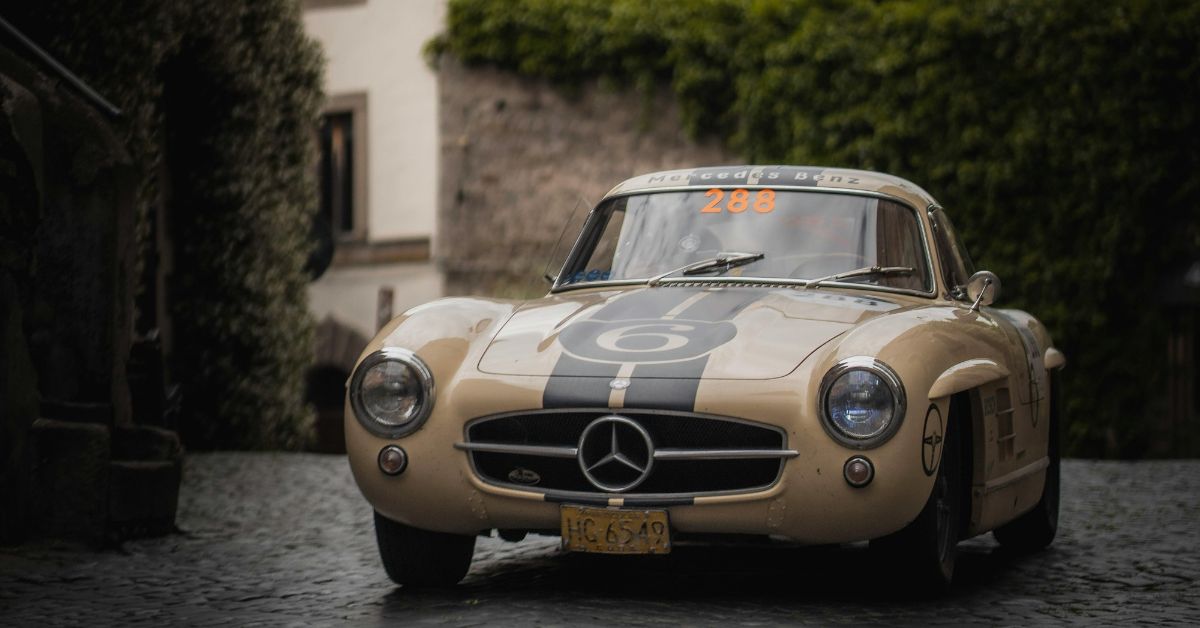
Discover the most effective historic antique photography techniques to create stunning vintage photo effects. By using these traditional methods, you can bring a timeless, nostalgic quality to your images, capturing the essence of past eras. Whether you’re looking to achieve a sepia tone, faded edges, or soft-focus effects, these techniques will help you craft photographs that feel as though they’ve been frozen in time, offering a rich, historic look that never goes out of style.
Understanding Early Photography Processes
Historic antique photography blends innovation and artistry, shaping how we capture memories. Early methods like daguerreotypes and tintypes revolutionized photography and changed perceptions of identity. The daguerreotype, introduced in 1839, offered sharp detail and a mirror-like surface but required long exposure times, creating formal, still portraits. Meanwhile, the tintype process, popularized in the 1850s, made photography more affordable and accessible, enabling candid, personal moments. These early techniques laid the foundation for the diverse world of photography we know today.
The Art of Tintypes and Ambrotypes
The art of tintypes and ambrotypes represents a fascinating chapter in the history of antique photography, capturing moments with a unique blend of chemistry and craftsmanship. Tintypes, also known as ferrotypes, are created on a thin sheet of iron coated with a dark lacquer, which gives them distinct durability and a slightly metallic sheen. In contrast, ambrotypes employ glass plates that offer a more delicate, luminous quality to the images. Both processes emerged during the mid-19th century, allowing photographers to produce images quickly and affordably, making portraiture accessible to a broader audience.
Exploring these historical techniques reveals not only the technological advancements of the time but also the artistry involved in each photograph. The tactile nature of these mediums invites viewers to appreciate the imperfections and nuances that characterize each piece, offering a glimpse into the lives and stories of individuals long gone. Unlike modern digital photography, where perfection is often the goal, tintypes and ambrotypes celebrate the beauty of flaws, making each image a unique artifact that resonates with authenticity. As collectors and enthusiasts delve deeper into this captivating realm of historic antique photography, they uncover a rich narrative that transcends time, connecting us to the past in profoundly personal ways.
Exploring the Daguerreotype Technique
The Daguerreotype technique, emerging in the early 19th century, represents a pivotal moment in the evolution of historic antique photography. This groundbreaking process not only captured moments with unprecedented clarity but also revolutionized the way society perceived and documented its existence. Unlike modern photography, which allows for rapid reproduction, each Daguerreotype was a unique image, meticulously crafted on a polished silver plate. The very nature of this singular creation imbued each photograph with an aura of authenticity, making it a cherished artifact of its time.
One intriguing aspect of Daguerreotypes is their role in social identity and memory. As portraits became more accessible, individuals from diverse backgrounds sought to immortalize themselves and their loved ones, leading to a democratization of portraiture. Furthermore, the reflective quality of these images often invited viewers to engage with their own self-perception, as the interplay of light and shadow created a depth that was both intimate and haunting. In examining the cultural impact of Daguerreotypes, one can appreciate how this historic technique not only preserved moments but also shaped societal narratives around identity and representation that resonate even today.
Creating Stunning Cyanotypes at Home
Creating stunning cyanotypes at home is an enchanting journey that merges art with science, allowing you to explore the rich legacy of historic antique photography. This process, which dates back to the 19th century, utilizes a simple combination of iron salts and sunlight to produce striking blue-and-white images. Unlike many modern photographic techniques, cyanotyping embraces a hands-on approach, encouraging experimentation with various natural materials like leaves, flowers, and even textiles, making each piece uniquely yours.
The beauty of cyanotypes lies in their unpredictability; the interplay of light and organic matter creates a captivating dialogue between nature and artistic intent. As you layer your chosen objects onto sensitized paper and expose them to sunlight, you’re not just creating an image you’re capturing a moment in time that reflects your personal aesthetic. To enhance your results, consider exploring alternative exposure methods, such as using UV lamps or adjusting the development time, which can yield an array of intriguing textures and tones. Embrace this tactile craft, and you’ll find that each print tells a story steeped in history while offering a fresh canvas for contemporary expression.
Mastering the Collodion Wet Plate Method
The Collodion Wet Plate Method, developed in the mid-19th century, combines science and art, requiring precision in each step, from mixing the collodion solution to sensitizing glass plates. This hands-on process creates a deeper connection to the past, embracing the beauty of imperfection. Unlike modern digital photography, the wet plate technique allows for unpredictable results, producing unique, nostalgic images that reflect history. By mastering this method, photographers preserve photographic heritage while enriching their artistic expression, creating a bridge between past and present.
Utilizing Sepia Toning for Vintage Appeal
Sepia toning, a process that dates back to the 19th century, offers a unique approach to infusing modern photography with a nostalgic charm reminiscent of historic antique photography. This technique not only enhances the aesthetic quality of images but also evokes a deeper emotional connection, transporting viewers to a bygone era. The warm, brown hues associated with sepia toning can soften harsh contrasts, allowing subjects to blend harmoniously with their surroundings. This quality is particularly effective in portraiture, where it can imbue the image with a sense of timelessness, making it feel as if it could belong in an old family album.
Moreover, sepia toning can be creatively applied beyond traditional photography. Digital artists are increasingly embracing this technique to give contemporary images a vintage feel, making them suitable for various applications from marketing materials to personal projects. By experimenting with different saturation levels and layering techniques, photographers can achieve a range of effects that highlight textures and details, thereby enhancing the narrative quality of their work. Ultimately, utilizing sepia toning not only revives the essence of historic antique photography but also invites new interpretations and experiences that resonate with today’s audiences.
Preserving Antique Photographs for Generations
Preserving historic antique photography is not merely about safeguarding images; it’s about preserving stories, memories, and legacies for future generations. The delicate nature of these photographs necessitates a multi-faceted approach that combines environmental control with careful handling. Ideally, these precious artifacts should be stored in acid-free archival boxes away from light sources, which can fade colors and degrade materials over time. By maintaining a stable temperature and humidity level, one can significantly extend the life of these visual narratives.
Digital preservation has become an invaluable tool in this endeavor. High-resolution scanning allows for the creation of digital copies that can be shared and enjoyed without risking damage to the originals. However, it is crucial to ensure that the digitization process maintains the integrity of the image, capturing the nuances of texture and tone inherent in historic antique photography. Moreover, educating family members about proper handling techniques can create a communal sense of responsibility, ensuring that these treasured pieces of history are cherished and preserved for years to come. By weaving together traditional preservation methods with modern technology, we can honor the past while enriching our collective future.
Embrace the Beauty of History
The allure of historic antique photography transcends mere nostalgia; it serves as a portal to understanding the complexities of our past. Each faded image encapsulates not just a moment in time, but also the cultural, social, and technological landscapes that shaped it. As we delve into these visual narratives, we uncover stories of resilience, innovation, and the everyday lives of those who came before us. These photographs invite us to reflect on the evolution of societal norms and artistic expression, making them invaluable tools for education and inspiration.
Moreover, embracing the beauty of history through antique photography enriches our appreciation for craftsmanship and artistry. The meticulous processes involved in early photography such as the daguerreotype or tintype methods highlight a dedication to precision that can often be overlooked in today’s digital age. By studying these techniques, we gain insight into the transformative power of technology and how it has influenced human connection over time. In this way, historic antique photography does more than document; it serves as a reminder of our shared heritage, encouraging us to celebrate the past while paving the way for future creativity.