
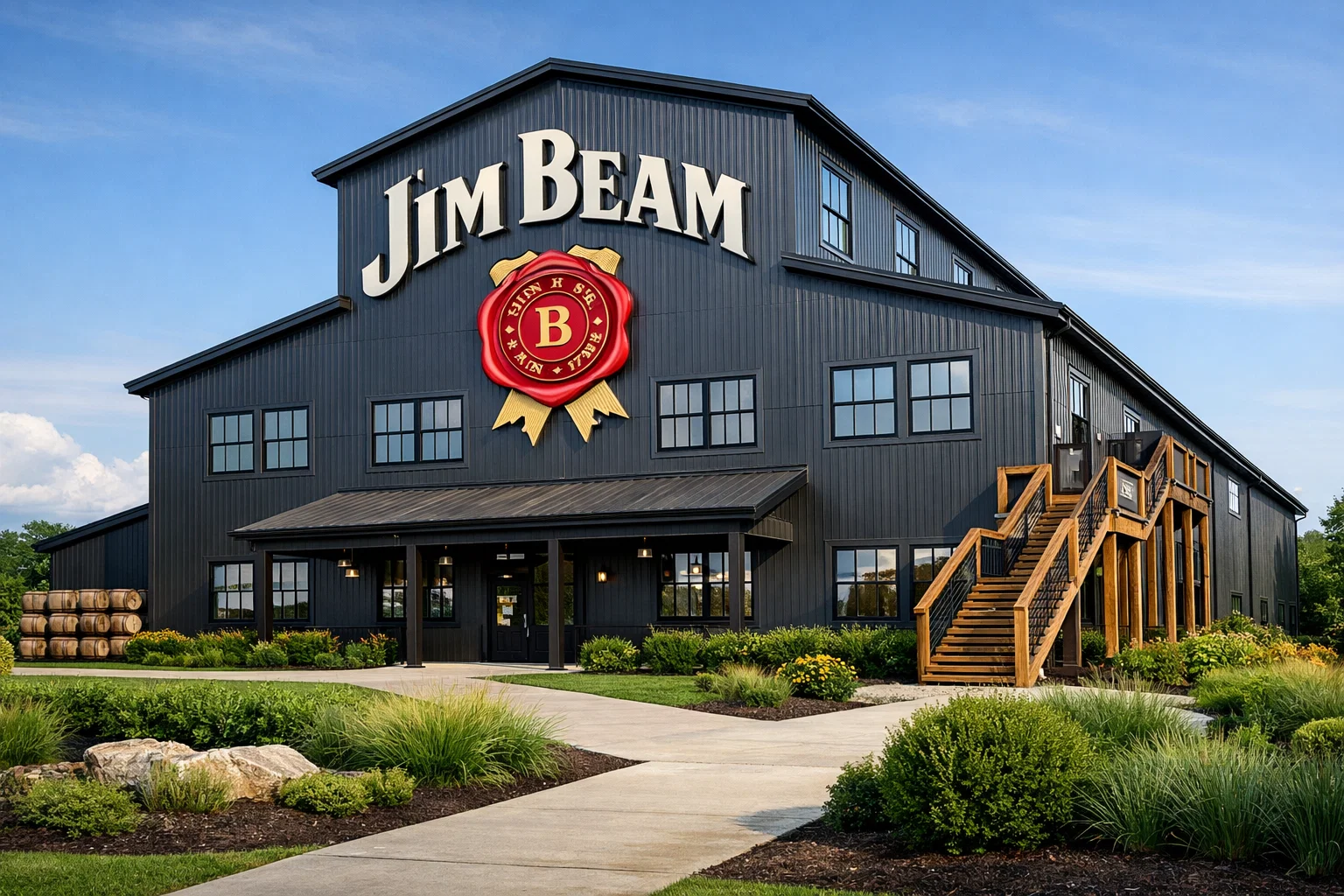
Jim Beam Shocks Bourbon Industry with Distillery Shutdown Announcement
In an unexpected blow to the spirits world, Jim Beam shutting down operations at its historic Kentucky distillery has sent shockwaves through the global bourbon market. The company confirmed that it will pause production at the Jim Beam distillery for all of 2026, a decision that stunned industry insiders, bourbon lovers, and local communities tied to the brand’s long legacy.
For decades, Jim Beam stood as a cornerstone of American whiskey culture. The brand’s decision to halt operations marks a dramatic turn for an icon known worldwide. News of the Jim Beam distillery closing has ignited intense debate among drinkers and experts alike, with many questioning what this hold means for the future of one of America’s most legendary spirits.
A Historic Brand Faces a Sudden Halt
Jim Beam’s parent company, Beam Suntory, announced that the Kentucky distillery will not produce bourbon throughout 2026. This complete production pause includes all stages of manufacturing — from fermentation to barrel aging. Executives stated that the halt will allow a multi-year renovation project and modernization effort that aims to future-proof operations, but few expected such a comprehensive shutdown.
Industry analysts described the move as “shocking,” pointing out that Jim Beam’s distillery rarely closed even for short periods. The facility, located in Clermont, Kentucky, is one of the most productive bourbon plants in the United States, contributing significantly to both local employment and global supply.
Economic Ripples Hit Local Communities
The news hit Kentucky hard almost instantly. Workers at the distillery, many of whom spent their entire careers at the plant, face uncertainty as operations go dark for a full year. Local businesses that depend on the distillery’s workforce and visitors also feel the impact. Restaurants, hotels, and tour operators all relied on Jim Beam’s strong tourism draw.
Kentucky Governor’s office issued a statement acknowledging the disruption, stating that officials will work with community leaders to mitigate economic fallout. Still, the sudden Jim Beam distillery closing blindsided many residents who have long viewed the brand as a stable economic anchor in the region.
Bourbon Lovers React With Shock and Concern
On social media, the news sparked overwhelming reaction. Bourbon enthusiasts reacted with disbelief, frustration, and nostalgia. Many users shared photos from past visits to the distillery, recounting memories of tasting rooms, barrelhouses, and the iconic “White Label” tours that drew visitors from around the world.
A popular bourbon review page wrote, “Jim Beam shutting down production for a full year feels unreal. This place isn’t just a distillery, it’s a part of American history.” Other critics expressed fear that years of aging stock may decrease, leading to tighter supplies and possible price increases for popular Beam brands.
Collectors and investors also reacted strongly. Some fear that limited production stock could drive up the value of existing bottles as demand outpaces supply. Others worry that the halt may reduce the presence of Beam’s core products on shelves, forcing drinkers to shift to alternative bourbons or rye whiskies.
Industry Experts Weigh In
Spirits industry analysts began dissecting the implications of this unprecedented move. According to experts, the decision to pause production at Jim Beam could signal broader challenges within the whiskey sector.
One analyst noted that the company may be anticipating future demand shifts, cost pressures, or regulatory obstacles that could make modernization mandatory rather than optional. Regardless of motive, the choice to shut down production for a full year suggests major strategic recalibration within Beam Suntory’s operations.
Industry watchers also raised questions about aging barrel inventories. Bourbon requires extended aging time to develop character and complexity, meaning that any gap in production today could influence available stock years down the line. The pause could disrupt traditional supply chains, forcing other distilleries to fill the void or prompting Jim Beam to source stocks from third parties — a move that may not align with purist expectations.
Global Impact on the Bourbon Market
Jim Beam has never operated in isolation. As one of the most widely recognized bourbon brands worldwide, the distillery’s abrupt production halt may shift global drinking patterns. Markets in Europe, Asia, and North America could experience supply fluctuations and renewed interest in competing labels as distributors adjust stocks.
Some importers already express concern about 2027 availability, noting that supply contracts typically hinge on dependable output from major producers like Jim Beam. Importers in countries with strong bourbon demand — especially Japan and the UK — caution that retailers may need to reassess allocations if inventories tighten.
The broader spirits industry reacted almost immediately. Competitors and collaborators alike released statements expressing support for employees and optimism that Jim Beam’s modernization may strengthen the brand in the long term. A notable distillery head in Tennessee commented, “This is a significant moment for bourbon worldwide. Everyone feels the tremors.”
What the Company Says
Beam Suntory released a press statement explaining that the production pause will support investment in new technology, infrastructure upgrades, and worker training programs designed to maintain the brand’s competitive edge. The company also emphasized that existing inventory will continue to age and that certain products will remain available during the shutdown.
“Though we will pause production in 2026, our commitment to craftsmanship remains unwavering,” the statement read. The company also hinted that the distillery reopening will include enhanced facilities that promise a more sustainable and resilient future for Jim Beam.
Despite reassurances, many buyers and bartenders worry about short-term scarcity and increased prices in a market already facing inflationary pressures on spirits and raw materials.
Workers, Families, and Community Voices
Employees at the Kentucky distillery expressed mixed emotions. While some welcomed investment in modernization, others lamented the sudden interruption of decades-long production rhythms. Several workers shared personal stories about family legacies tied to Jim Beam, with multiple generations having worked on site.
A longtime distillery tour guide said, “I have stood in front of visitors every year telling stories about Jim Beam’s place in history. Now I try to explain why we won’t be producing next year. People are confused, disappointed, and frankly heartbroken.”
Local restaurant owners reported declines in bookings as regular tourist groups canceled plans for spring and summer 2026, anticipating less to see with the production halted. Community leaders worry that the closure may also affect small businesses already navigating economic strains.
Concerns About Supply and Pricing
Retailers, bartenders, and collectors now face questions about product availability. Many speculate that popular Beam labels could become harder to find as inventories tighten. Some commentators suggest price increases as distributors adjust margins to match limited supply.
Bar owners said scheduling tastings and promotions around Beam products now requires greater planning and flexibility. Some major liquor stores plan to stockpile popular bottles early to avoid shortages later in 2026.
Economists in the beverage sector say that reduced supply from a major producer often causes ripples throughout the market, pushing buyers toward craft distilleries or alternative spirits such as rye whiskey.
What Comes Next?
Jim Beam plans to resume operations in early 2027 with a relaunch campaign highlighting new infrastructure and future expansions. The company’s marketing team has already teased the relaunch with hints of exclusive bottle releases and collector’s editions that celebrate both tradition and innovation.
Analysts predict that the post-shutdown releases will generate renewed interest and may attract both longtime fans and a new generation of bourbon drinkers. Some expect limited-edition commemorative collections that honor the distillery’s past while showcasing its upgraded future.
A Legacy Tested
Jim Beam’s decision to pause production and shut down its distillery operations for an entire year remains one of the most unexpected developments in recent spirits industry history. The decision forces bourbon lovers, workers, and markets worldwide to adapt rapidly to new realities.
The effects of this shutdown will likely unfold throughout 2026 and beyond, shaping inventories, prices, and industry dynamics for years. Whether this bold move positions Jim Beam for stronger dominance or creates long-lasting scarcity remains a central question for buyers and sellers alike.
Stay Informed With TheFocusCraft
At TheFocusCraft, we bring you breaking global business stories that impact industries, markets, and everyday lives. From major corporate decisions to economic shifts shaping the future, our coverage keeps you informed with clarity and accuracy.
📌TheFocusCraft for:
- Breaking international news
- Business and economic updates
- Industry-changing developments
📸 More Than News
TheFocusCraft also offers professional photography services:
- Real Estate Photography
- Product Photography
- Event Coverage
📩 Connect with TheFocusCraft today for trusted news and powerful visual storytelling.
TheFocusCraft — Breaking News. Real Stories. Clear Impact.