
How the Past 10 Years Changed How I Light Photos
Photography is fundamentally about light — its quality, direction, and intensity shape every image. Over the past ten years, the way photographers approach lighting has evolved dramatically. Advancements in technology, shifts in artistic trends, and a deeper understanding of light itself have all influenced how images are lit today. Reflecting on this decade-long journey shows not only how the tools have changed but also how the creative mindset around lighting has matured.
The Evolution of Lighting Tools
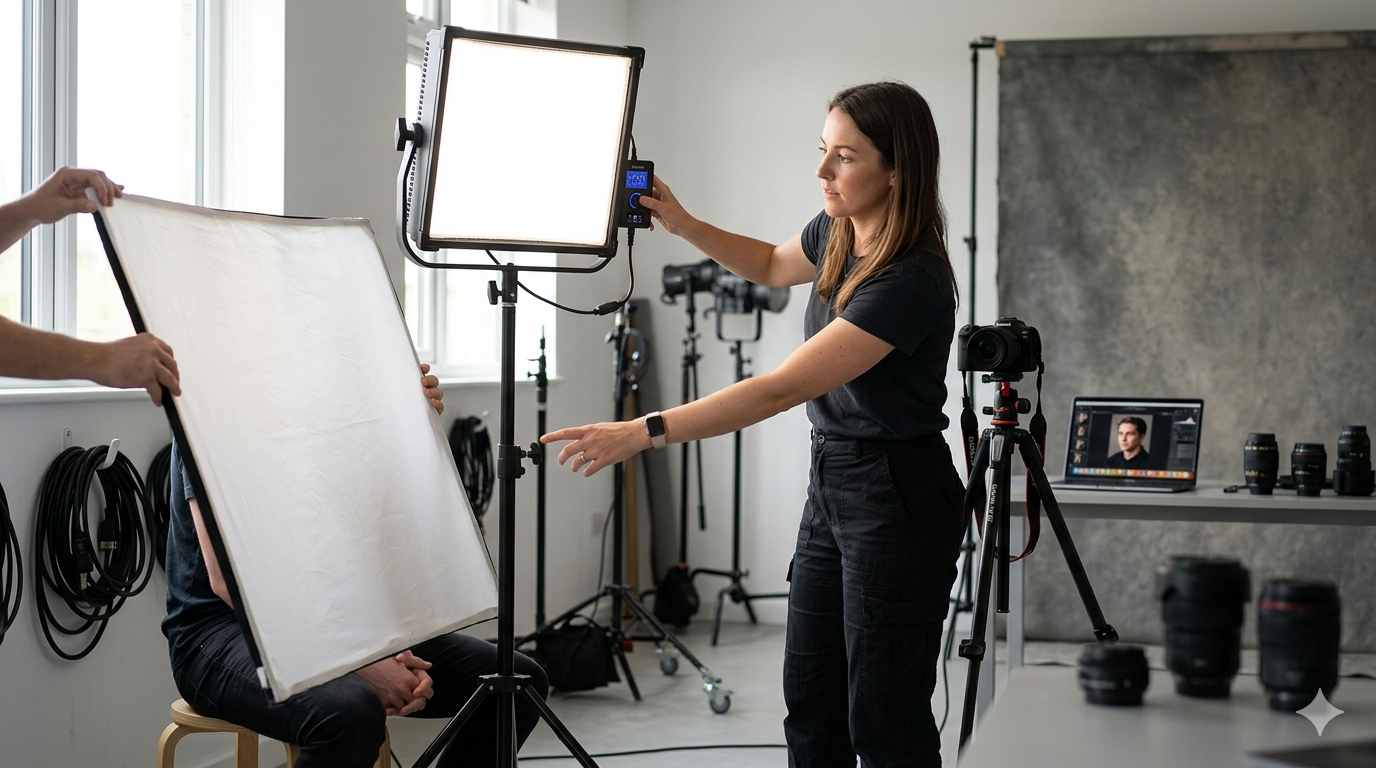
A decade ago, studio and on-location photographers relied heavily on traditional strobes, monolights, and continuous tungsten lamps. These were powerful but often bulky and limited in flexibility. Today, portable LED panels, battery-powered flashes, and adjustable light modifiers have transformed the field. These new tools are lighter, more energy-efficient, and offer precise control over intensity and color temperature.
This accessibility allows photographers to experiment more freely, blending natural and artificial light, adjusting shadows and highlights with finer precision, and creating setups that were previously impractical outside a professional studio. The focus has shifted from simply illuminating subjects to crafting the mood and emotion of a scene through controlled light.
From Technical to Artistic
In the past, photographers often prioritized proper exposure above all else. While exposure remains essential, modern lighting emphasizes expression. Photographers now think critically about how light tells a story. Soft, diffused light, for example, is used to flatter and soften portraits, while harsh, directional light can highlight texture, drama, and depth.
Lighting has become a narrative tool, guiding the viewer’s emotions and drawing attention to key elements in a frame. This approach mirrors cinematic techniques, where light conveys tension, romance, or mystery, rather than simply revealing objects.
Embracing Natural Light
Natural light, once considered unpredictable and challenging, is now celebrated as a core creative element. Photographers intentionally shoot during golden hour for warm, soft tones or experiment with backlighting for dramatic silhouettes. Even harsh sunlight is no longer universally avoided; it is harnessed for high-contrast and bold imagery.
Using natural light effectively requires understanding how the sun’s angle and quality change throughout the day and across seasons. This mastery allows photographers to manipulate shadows, highlights, and reflections, achieving dynamic compositions without relying solely on artificial sources.
Blending Natural and Artificial Light
One of the most significant developments in the past ten years is the seamless integration of natural and artificial lighting. Photographers frequently use small LED panels or portable flashes to complement sunlight or moonlight, filling in shadows or adding accent highlights. This hybrid approach provides greater control and creative possibilities, allowing images to appear both realistic and meticulously crafted.
Moreover, advanced modifiers such as softboxes, reflectors, and grids enable precise shaping of light, creating three-dimensional effects that draw viewers into the scene.
The Rise of Continuous and RGB Lighting
Continuous lighting has become increasingly popular due to its predictability and ease of use. Many modern photographers rely on LED panels with adjustable color temperatures and RGB capabilities to create immersive environments. These lights allow experimentation with color gels, mood lighting, and creative effects that were previously difficult to achieve with traditional strobes.
This trend has also democratized lighting experimentation, as photographers of all skill levels can see the impact of adjustments in real-time, improving both learning and creative exploration.
Learning from the Past: Mistakes and Discoveries
Over the past decade, photographers have learned that lighting is less about perfection and more about intention. Mistakes such as overexposure, unwanted shadows, or color imbalance have become learning opportunities. Experimentation with unconventional angles, mixed light sources, and creative diffusion techniques has expanded the vocabulary of photography lighting.
Reflecting on these lessons, many photographers now embrace imperfections as part of the artistic process, using light not just to reveal but to interpret and transform reality.
Looking Ahead
As technology continues to evolve, the next ten years promise even more exciting lighting innovations. Smarter, portable, and more powerful lighting solutions will offer increased creative freedom, while artificial intelligence tools may assist in analyzing and optimizing light in real-time. Regardless of these technological changes, the fundamental principle remains: understanding and controlling light is the key to impactful photography.
FAQs About Photography Lighting Changes
Q1: How has lighting technology changed in the past ten years?
A1: Portable LED panels, battery-powered flashes, and adjustable light modifiers have replaced many bulky traditional lights, offering precise control over intensity, color, and direction.
Q2: Why is natural light more embraced today?
A2: Photographers now understand its potential for creating mood, drama, and dynamic compositions, using techniques like golden hour shooting, backlighting, and controlled shadow play.
Q3: How do photographers blend natural and artificial light?
A3: Small LED panels or portable flashes complement sunlight or ambient light, filling shadows, adding highlights, or creating specific moods while maintaining realism.
Q4: What role does continuous lighting play in modern photography?
A4: Continuous lighting allows real-time visualization of effects, supports RGB creative setups, and enables photographers to experiment with colors and moods without relying on flash.