
The Glasshouse Theatre by Snøhetta: Brisbane’s New Cultural Landmark
The Glasshouse Theatre at the Queensland Performing Arts Centre in Brisbane is one of Australia’s most anticipated cultural buildings. Designed by the international architecture firm Snøhetta in collaboration with local partner Blight Rayner, the theatre blends cutting-edge architecture, technical innovation, and cultural sensitivity, creating a striking addition to Brisbane’s arts precinct.
A Venue for World-Class Performance
The theatre will seat around 1,500 audience members, making it one of the largest performing arts venues in Australia. It is designed to host a wide range of events, from ballet and opera to musicals, drama, and contemporary theatre. The Glasshouse Theatre aims to attract both national and international performers, positioning Brisbane as a major hub for the performing arts.
Design Inspired by Place and Culture
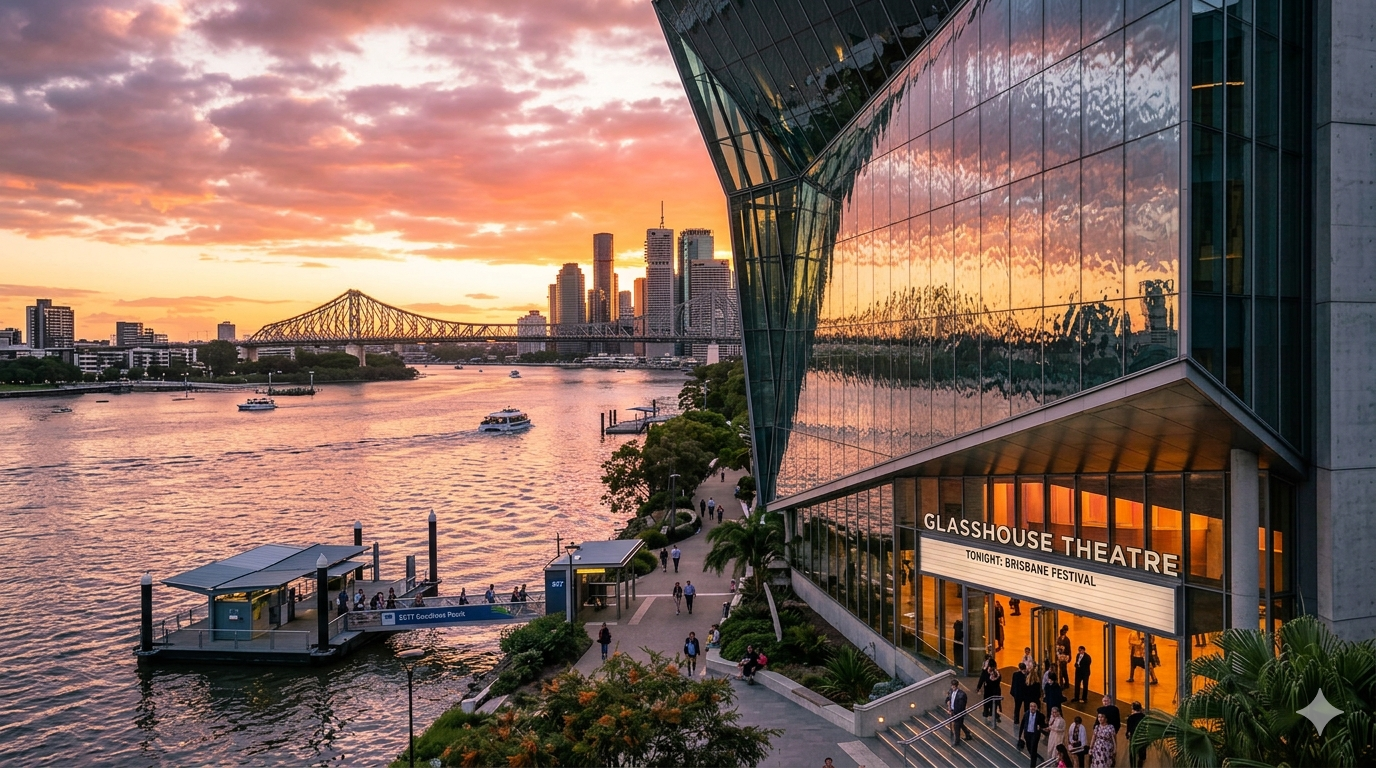
Snøhetta drew inspiration from the nearby Brisbane River, incorporating the flow and movement of water into the building’s rippled glass façade. The design also acknowledges the cultural significance of the land to the Turrbal and Yuggera peoples. Indigenous stories and symbolism influenced the architecture, creating a venue that celebrates both local heritage and contemporary design.
The theatre’s translucent glass exterior creates a dynamic visual effect, allowing glimpses of activity inside while reflecting the natural light and surroundings. This interplay of transparency and solidity gives the building a lively and inviting presence in Brisbane’s arts district.
Interior Architecture and Acoustics
Inside, the auditorium is designed for intimacy and engagement. Curved timber ribbons line the walls, providing both aesthetic beauty and acoustic functionality. These ribbons help direct sound, ensuring a rich and balanced experience for audiences while hiding technical equipment behind carefully designed panels.
The interior balances warmth and sophistication, with materials and finishes that reflect Queensland’s natural landscape. Seating arrangements are designed to bring the audience close to the stage, fostering a strong connection between performers and viewers.
Flexibility and Technical Innovation
The Glasshouse Theatre features a highly adaptable orchestra pit with multiple lift configurations, allowing for various performance setups. This flexibility makes it suitable for traditional stage performances, thrust stages, and productions that require complex technical arrangements.
The theatre also integrates advanced lighting, acoustics, and stage technology, ensuring that both performers and audiences enjoy a world-class experience. Its design prioritizes accessibility, comfort, and functionality, making it a versatile venue for the diverse range of performances it will host.
Cultural Impact
The Glasshouse Theatre is expected to become a cultural landmark for Brisbane, enhancing the city’s international reputation in the arts. It will serve not only as a venue for performance but also as a space for community engagement, education, and cultural exchange. The theatre exemplifies how architecture can combine artistic expression with social and cultural significance.
FAQs
Q1: Where is the Glasshouse Theatre located?
It is part of the Queensland Performing Arts Centre in Brisbane, Australia.
Q2: Who designed the theatre?
The design is by Snøhetta in collaboration with Blight Rayner.
Q3: How many people can the theatre seat?
Approximately 1,500 audience members.
Q4: What inspired the design?
The theatre takes inspiration from the Brisbane River and Indigenous cultural narratives from the Turrbal and Yuggera peoples.
Q5: What makes the theatre flexible for different performances?
It has a configurable orchestra pit, adaptable seating, and modern stage technology to accommodate a variety of performances.