Best AI Ghost Mannequin Tools for Ecommerce in 2026: How WearView Helps Fashion Brands Reduce Photography Costs
In 2026, ecommerce fashion brands are continuing to transform how they create product imagery. One of the most valuable innovations in this space is AI ghost mannequin technology, which automates professional‑looking garment photos without traditional mannequins, studios, or expensive photographers. These tools help brands save time, reduce photography costs, and create clean, consistent visuals that boost conversions and sales.
This article explores the best AI ghost mannequin tools available in 2026 and highlights how platforms like WearView are helping fashion sellers streamline their visual workflows and compete in a crowded online marketplace.
What Is AI Ghost Mannequin Technology and Why It Matters
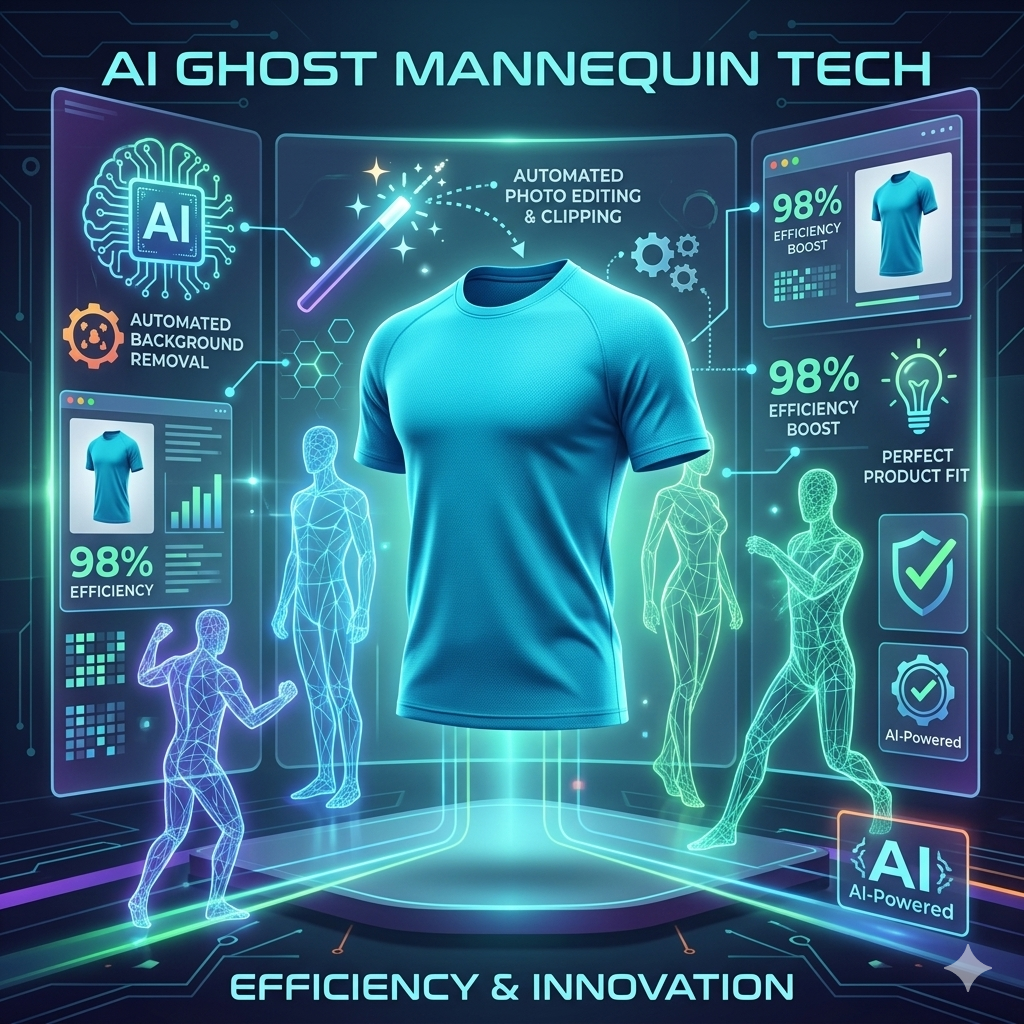
AI ghost mannequin tools allow ecommerce retailers to remove visible mannequins or models from apparel photos while reconstructing missing garment edges and inner details. The result is a clean floating garment image with no distractions, perfect for online catalogs, product pages, and marketing assets.
These images are essential because they allow customers to clearly see how products look, fit, and drape — all without the cost of hiring models or photographers. Traditional ghost mannequin photography typically involves a studio setup, lighting equipment, mannequins, and post‑shoot editing. This process can be time‑intensive and cost hundreds or even thousands of dollars per session.
AI solutions for ghost mannequin images automate much of this work, making high‑quality visuals accessible even for smaller brands and direct‑to‑consumer sellers.
Top AI Ghost Mannequin Tools for 2026
1. WearView — Best Comprehensive AI Solution
WearView leads the market as a full‑stack fashion AI platform that goes beyond basic invisible mannequin tools. It automatically removes mannequin parts, reconstructs hidden garment areas, enhances fabric details, and can even generate AI on‑model images showing garments worn by virtual models.
WearView is popular among ecommerce sellers because it combines multiple AI capabilities in one platform:
- Automated ghost mannequin removal
- On‑model image generation for marketing
- Virtual try‑on previews
- Fashion lookbook and catalog generation
This all‑in‑one workflow slashes traditional photography costs by a significant margin while enabling faster visual production cycles.
Best for: Ecommerce brands of all sizes, especially those with frequent new product drops.
Key strengths: Versatility, automation, and integrated virtual model features.
2. PhotoRoom — Best Versatile All‑Purpose Photo Toolkit
PhotoRoom is a strong choice for sellers who want more than just invisible mannequin effects. Its AI tools support background removal, stylistic editing, batch processing, and ghost mannequin reconstruction.
PhotoRoom’s machine‑learning models analyze product photos, remove mannequins, and refine images so they look professional and consistent. Its broader editing features make it a smart option for brands that need a flexible tool for general product photography, marketing visuals, and social media content.
Best for: Sellers looking for an all‑purpose photo editing and enhancement toolkit.
Key strengths: Batch editing, background customization, and multiple export options.
3. Photta — Best for Fashion‑Focused Visuals
Photta specializes in fashion imagery and excels at generating ghost mannequin and on‑model visuals tailored to apparel products. It offers a large library of AI model figures and different pose options, allowing brands to choose looks that resonate with their audience.
Photta’s fashion‑centric approach ensures garments are presented attractively and realistically, making it a favorite among boutique brands and fashion retailers aiming for consistent visual storytelling.
Best for: Fashion brands prioritizing stylistic control and model variety.
Key strengths: Diverse model options, enhanced garment realism.
4. PixFocal — Best for High‑Volume Editing
PixFocal caters to sellers with large catalogs and high volumes of product images. With a flat monthly pricing model and unlimited AI ghost mannequin processing, PixFocal is ideal for businesses with hundreds or thousands of SKUs.
This platform quickly processes large batches while maintaining consistent results, helping brands get product images ready for listings and campaigns in record time.
Best for: High‑volume ecommerce stores and marketplaces.
Key strengths: Unlimited processing, speed, and consistency.
5. Other Worthwhile AI Tools
There are also other AI solutions worth exploring depending on your needs:
- Free or introductory tools: Certain platforms offer basic ghost mannequin tools at no cost or with limited free usage, suitable for smaller sellers or initial experimentation.
- Hybrid AI + human editing services: Some services combine AI automation with professional human touch‑ups for brands that want pixel‑perfect results for premium catalogs.
- Developer‑focused tools: APIs and advanced platforms allow custom integrations into ecommerce workflows and design pipelines.
How to Choose the Right AI Ghost Mannequin Tool
Selecting the best tool depends on your brand’s priorities and visual content strategy. Here are key considerations:
1. Volume of Images
If you update your catalog frequently or have hundreds of SKUs, look for flat‑rate or unlimited processing options. Tools with batch automation and high‑throughput capabilities are more cost‑effective at scale.
2. Feature Scope
Some tools only do invisible mannequin removal, while others offer marketing enhancements like on‑model image generation and virtual try‑on features. Choose based on whether you need just clean product shots or a broader visual content suite.
3. Brand Style and Customization
If your brand relies on diverse visual storytelling or needs consistent lookbook imagery, pick tools that allow model selection, poses, and customization rather than simple background removal.
Key Benefits of AI Ghost Mannequin Technology
AI tools for ghost mannequin photography offer several advantages:
📸 Major Cost Savings
Brands can reduce photography expenses significantly because they eliminate the need for studios, lighting, photographers, and models. Automated AI workflows often cut traditional costs by 80‑90%.
⚡ Faster Turnaround
What once took days or weeks can now be done in minutes. Upload a photo, allow the AI to process it, and receive a ready‑to‑use image quickly, accelerating product launches and marketing campaigns.
🎨 Consistent Visual Quality
AI ensures uniform lighting, backgrounds, and editing across all product images, helping maintain a professional look throughout a catalog.
💡 Better Ecommerce Performance
Professional visuals help customers better understand products, increasing engagement and conversion rates. Clean ghost mannequin photos reduce confusion and improve shopper confidence.
FAQs
1. What is AI ghost mannequin technology?
AI ghost mannequin technology automatically removes visible mannequins or models from clothing photos and reconstructs missing garment areas, resulting in clean, professional product images.
2. Do these tools work for all types of garments?
Yes, AI ghost mannequin tools can handle a wide range of apparel, including shirts, dresses, pants, jackets, and accessories, though results may vary slightly based on fabric and lighting.
3. Can these tools create on‑model images too?
Yes — some platforms also generate virtual on‑model photos, giving customers a better idea of how garments look when worn.
4. How much do AI ghost mannequin tools cost?
Pricing varies widely — some tools are free or low‑cost for small volumes, while others offer subscription plans or flat pricing for high‑volume usage.
5. Will AI images look professional compared to studio photography?
Modern AI tools produce visuals that rival traditional studio imagery, especially when combined with consistent lighting and good initial photos.
6. What should ecommerce brands consider when choosing a tool?
Brands should consider image volume, desired features, editing quality, and how the visuals align with their overall marketing strategy.