1960s Design Trends Making a Comeback: Why Retro is the New Modern
Introduction: The Power of Nostalgia in Modern Design
Design trends are cyclical — what fades away often finds its way back, reimagined for a new generation. In 2025, one of the biggest resurgences in the creative world is the return of 1960s design aesthetics. From bold geometric patterns to warm earthy tones, today’s designers and homeowners are rediscovering the magic of the retro decade — blending nostalgia with innovation.
The 1960s were a revolutionary time for design, marked by optimism, experimentation, and freedom of expression. Now, as modern life becomes more digitized and minimalistic, people crave warmth, character, and storytelling — all of which the ’60s style offers in abundance.
1. Bold Colors and Psychedelic Patterns
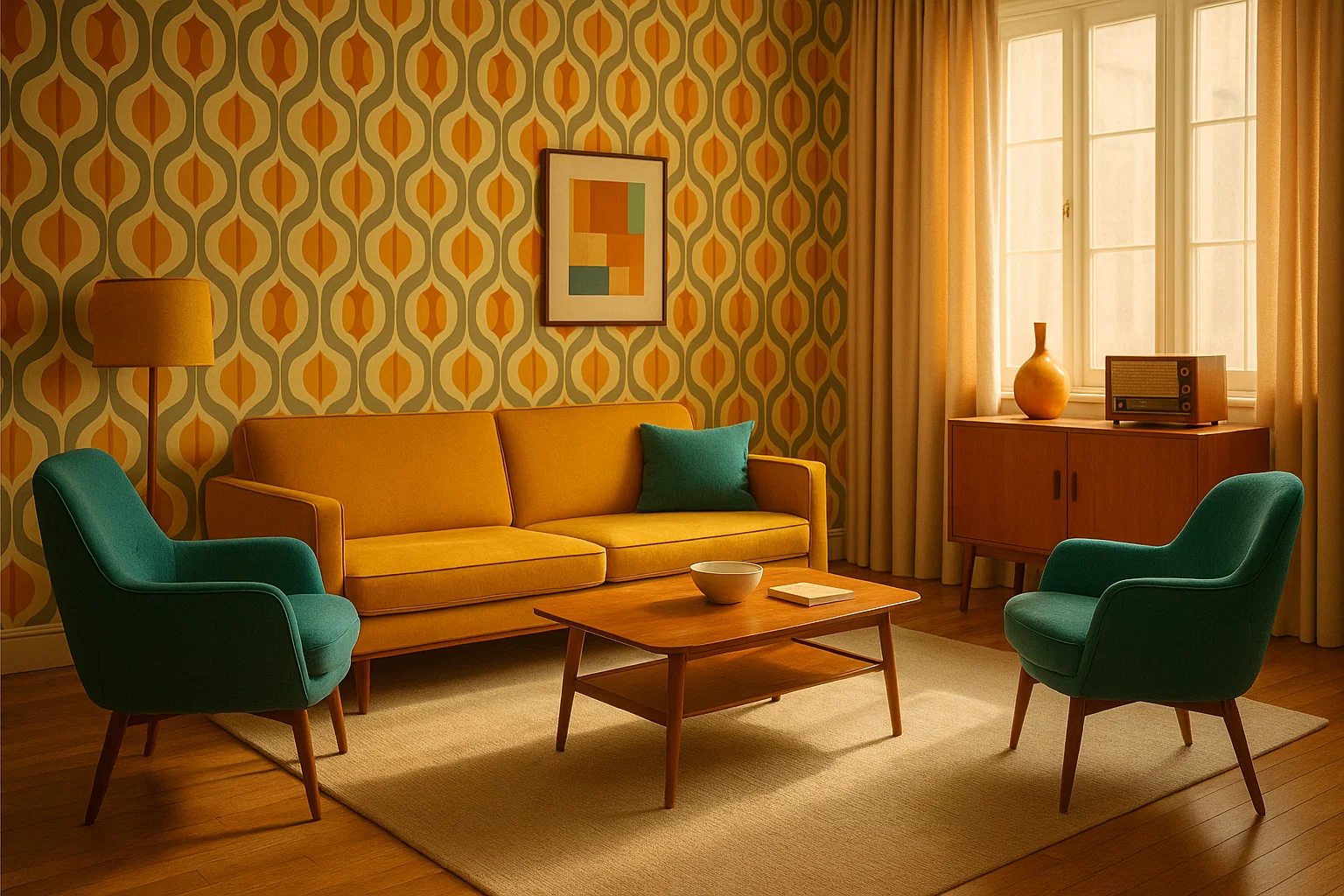
The 1960s were never shy about color. Think mustard yellows, avocado greens, tangerine oranges, and deep teals. These hues defined the decade’s interiors and are now dominating design palettes again — particularly in home décor, digital artwork, and fashion branding.
Today’s revival of bold colors isn’t about chaos — it’s about confidence. Designers use these shades to infuse energy and playfulness into minimalist spaces, making color the hero once again.
Supporting Keyword Focus:
- retro color palette
- 1960s design comeback
- vintage-inspired interiors
- color psychology in design
2. Organic Shapes and Fluid Lines
Forget the sharp edges of modern industrialism. The 1960s celebrated curves, waves, and circular silhouettes — a style deeply rooted in organic modernism.
Today, those same shapes are appearing in furniture design, UI/UX layouts, and brand logos. Designers are embracing curved sofas, rounded mirrors, and circular icons to create softer, more human-centric environments. This organic revival reminds us that comfort and creativity coexist beautifully.
3. Retro Typography and Groovy Fonts
Typography is one of the most distinct hallmarks of the 1960s. Fonts like Cooper Black, Blippo, and ITC Bauhaus reflected the decade’s playful, free-spirited energy.
Modern graphic design platforms like Canva, Figma, and Adobe Express are reviving these groovy typefaces — often paired with minimalist layouts for a nostalgic-yet-contemporary contrast.
Pro Tip: When using retro fonts, balance them with clean lines or monochrome backdrops to prevent visual overload.
4. Earthy Textures and Natural Materials
The 1960s design movement leaned into nature — rattan, teak wood, terracotta, and stone brought warmth to every room. As sustainability becomes a top priority in design, these materials are back, this time with an eco-conscious twist.
From biophilic architecture to sustainable product packaging, this earthy trend connects design to mindfulness, proving that retro can be timeless — and responsible.
5. Pop Art & Playful Minimalism
The influence of Andy Warhol, Roy Lichtenstein, and the Pop Art movement continues to echo across design studios in 2025. Playful, vibrant visuals and bold contrasts are reshaping how brands communicate fun and emotion.
Today’s creators fuse pop art energy with modern minimalism, using simple compositions but expressive color schemes. The result? Visuals that feel both nostalgic and futuristic.
6. Technology Meets Retro: The Digital Comeback
One of the most fascinating aspects of the 1960s comeback is how seamlessly it merges with modern tech.
AI-powered design tools, AR/VR visualization, and digital galleries allow artists to reimagine retro aesthetics for digital experiences — from web interfaces to immersive brand campaigns.
The 1960s’ experimental spirit is reborn in the metaverse, as designers blend retro inspiration with cutting-edge digital craftsmanship.
Why the 1960s Still Inspire Today’s Designers
Beyond aesthetics, the ’60s were about rebellion — breaking norms, trying new materials, and embracing bold self-expression. That mindset resonates with creators today who are redefining the future of design through freedom and innovation.
This revival reminds us: design is not just about how things look, but about how they make us feel.
FAQs
Q1: Why are 1960s design trends coming back?
Because they offer warmth, creativity, and individuality — qualities missing from ultra-minimalist design.
Q2: How can I use 1960s aesthetics in my home or projects?
Start with bold color palettes, retro fonts, and organic-shaped furniture for an instant nostalgic upgrade.
Q3: Is retro design sustainable?
Yes! Many 1960s-inspired materials — like rattan and teak — are eco-friendly and align with modern sustainability goals.
Q4: Are 1960s design trends suitable for digital branding?
Absolutely. Retro typography and color palettes can create strong emotional resonance in brand storytelling.
Bring the Past Into Your Creative Future with FocusCraft
Rediscover the timeless magic of the 1960s with a modern twist. At FocusCraft, we inspire designers, creators, and storytellers to embrace nostalgia as a creative tool.
Explore more design insights and trend analyses at TheFocusCraft.com and craft your next masterpiece with intention, color, and character.